The sense of community in Western society appears to be undergoing significant changes, and many argue that it is indeed declining. However, this decline is not absolute and is influenced by various factors.
The question of whether people are losing a sense of community in the modern era is complex and subjective.
It involves examining changes in social structures, technological advancements, and cultural shifts.
Let’s discuss the issues and examine some of the key points.
Is Community Declining Today?
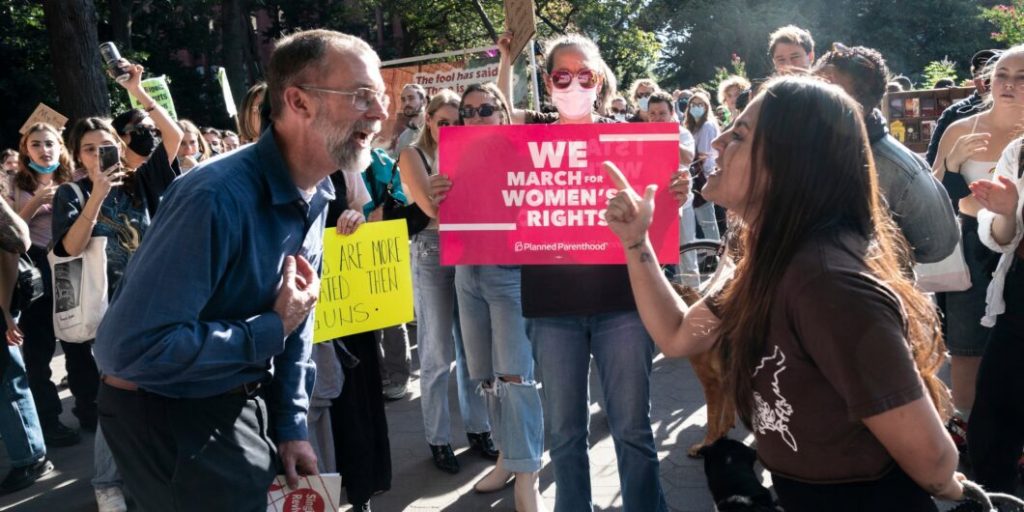
Evidence of Decline
Loneliness and Isolation:
Increased Loneliness: Surveys and studies have shown rising levels of loneliness, especially among younger and older populations.
Mental Health Concerns: Isolation and the lack of strong community ties are linked to mental health issues, including depression and anxiety.
Factors Contributing to the Perception of Losing Community
Technological Advances:
Social Media: While social media platforms have connected people globally, they can also lead to superficial interactions and feelings of isolation. The quality of relationships may be diluted as people engage more online rather than in person.
Remote Work: The rise of remote work has reduced daily face-to-face interactions with colleagues, potentially weakening workplace communities.
Urbanization:
Mobility: Increased mobility and the tendency to move for jobs can disrupt local communities and weaken long-term relationships.
Urban Lifestyle: In densely populated urban areas, people may experience anonymity and reduced neighbourly interactions compared to smaller towns or rural areas. Even the suburbs and rural areas seem to have similar challenges, as people commute into urban areas for work, as they can no longer afford to live near their jobs.
Cultural Shifts:
Individualism: Modern societies often emphasize individualism and personal success, which can undermine community-oriented values and collective well-being.
Changing Family Structures: Smaller family units and higher rates of single-person households can reduce the traditional family-based support networks.
Economic Factors:
Economic Pressures: Financial stress and job insecurity can lead to longer work hours and less time for community engagement.
Inequality: Growing economic inequality can create social divisions and reduce the sense of solidarity within communities. Growing inequality can create divisions and reduce social cohesion.
Work and Commute: Longer working hours and commutes can leave less time for community engagement.
Social Fragmentation and Mobility:
High Mobility: Frequent moves for work or other reasons can disrupt long-term community bonds and weaken neighbourhood connections.
Fragmentation: Societal divisions based on politics, economics, and culture can create fragmented communities where trust and cohesion are low. An increase in overall options for things like entertainment and leisure means we don’t have the same level of shared experiences we had in previous decades.
Counterpoints and Positive Trends
New Forms of Community:
Online Communities: Despite concerns about superficiality, online platforms can create supportive communities based on shared interests or identities. Online platforms and social media allow people to form communities based on shared interests and experiences.
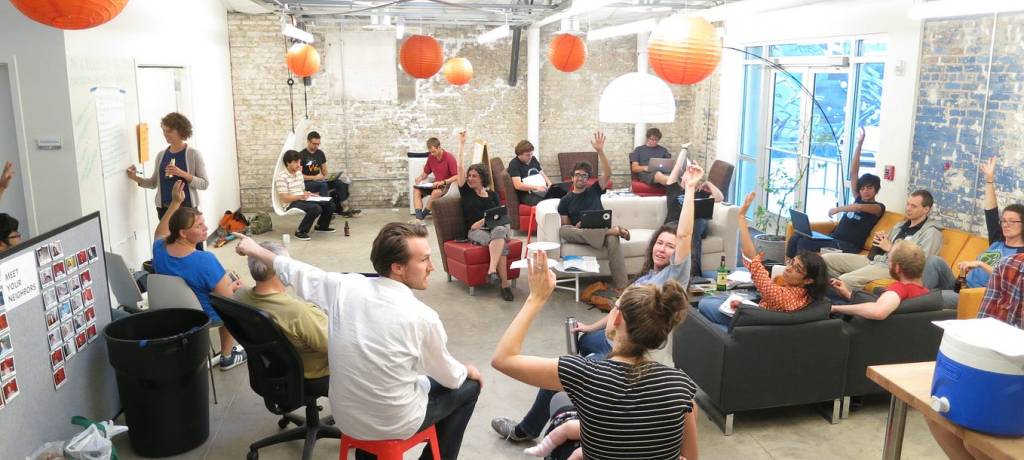
Meetup Groups and Online Forums: Websites like Meetup facilitate face-to-face interactions among people with similar hobbies or interests, fostering a sense of community.
Community Initiatives: There are numerous examples of grassroots community initiatives, such as neighbourhood groups, local events, and community gardens, which foster a sense of belonging.
Technology as a Bridge:
Communication Tools: Video calls and messaging apps allow people to maintain close relationships despite physical distance.
Support Networks: Online forums and social media groups provide support and resources for people facing specific challenges like health issues, parenting, or more specialized professional advice. In the past, people may have felt more isolated dealing with their specific issue.
Revival of Localism:
Local Movements: There is a growing trend towards supporting local businesses, farmers’ markets, and community projects, which can strengthen local ties.
Civic Engagement: Increased awareness and activism around social and environmental issues have mobilized communities and encouraged collective action.
Final Thoughts
This topic really does have several factors coming into play.
It would seem the sense of community in Western society is indeed facing challenges and may be declining in traditional forms.
However, new forms of community are emerging, and there are some making efforts to revitalize and strengthen community bonds. The overall impact varies widely depending on specific contexts and individual circumstances.
I think how we individually see this issue largely depends on our own subjective efforts and experience.
If you seek out in-person community, you’ll find it. If not, then you probably won’t. I would acknowledge it seems like that would take significantly more effort than previous decades.
Efforts to balance technological use, support local initiatives, and promote in-person interactions are crucial in maintaining and rebuilding a strong sense of community.
The sense of community in the modern era may be simply changing rather than being lost completely.
Do you feel a sense of community has declined where you live?
Leave me a comment or follow my links, thanks for reading.
Please see the links below for my newly realeased eBook Living Happy: The Complete Guide To True Contentment.
Is Life Getting Easier Or Harder?
Check out the Happy Hub Journal Prompter and Worksheet **Free Download**
Please visit and follow Happy Hub’s Instagram page.
Check out the Happy Hub YouTube Channel.
Please visit the new Happy Hub Etsy Shop.
Visit our new Products page.
 Happy Hub
8 thoughts on “Is Community Declining Today?”