The pursuit of wellness in recent years has moved past physical health to encompass a more holistic approach: one that nurtures not just the body, but also the mind and spirit.
Holistic wellness is about achieving balance and harmony in all aspects of our lives, recognizing the interconnectedness of our physical, mental, emotional, and spiritual well-being.
Let’s explore what holistic wellness entails and how embracing this approach can lead to a more fulfilling and vibrant life.
What is Holistic Wellness?
Holistic wellness is a philosophy that considers the whole person, combining body, mind, and spirit, in achieving optimal health and wellness.
It goes beyond treating symptoms to addressing the root causes of imbalance, emphasizing preventive care, and promoting overall well-being.
By integrating various holistic practices into our daily lives, we can enhance our resilience, vitality, and quality of life.
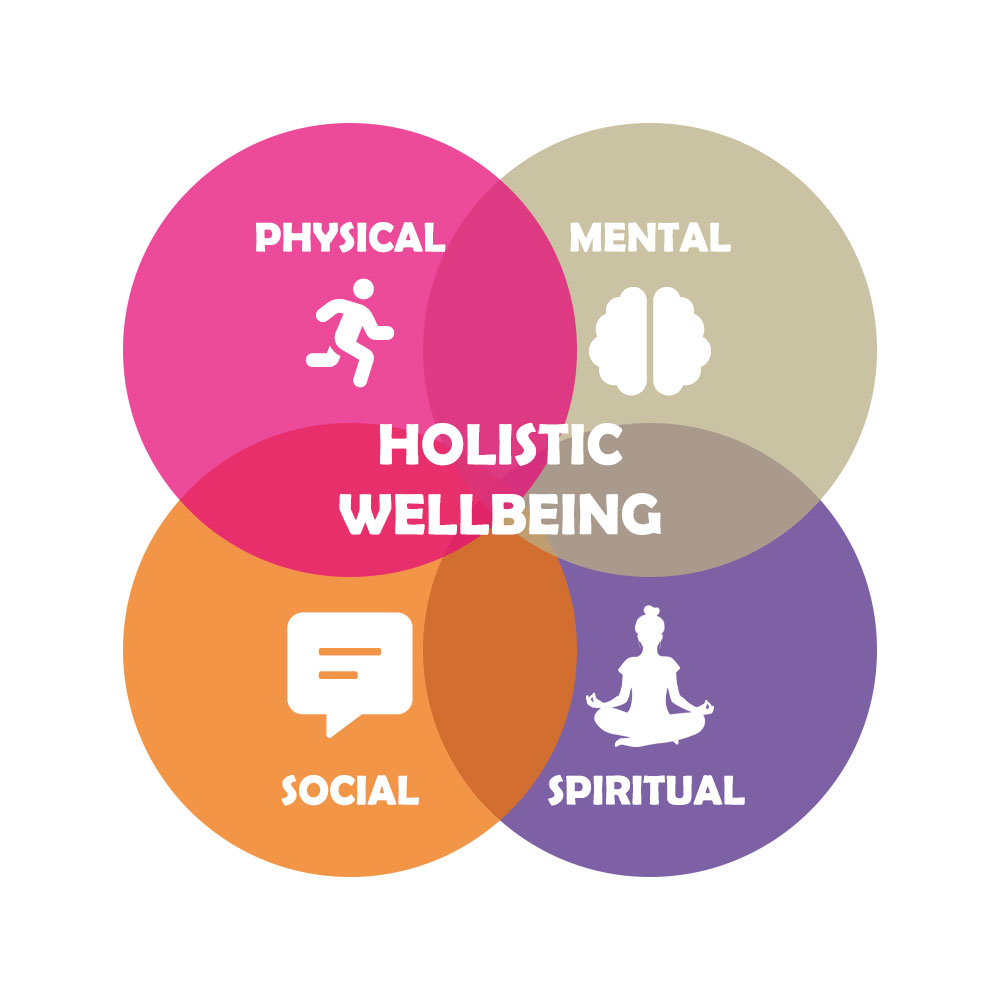
The Key Aspects of Holistic Wellness
Physical Health: This includes nutrition, exercise, sleep, and regular physical activity. Eating a balanced diet rich in whole foods, staying hydrated, and engaging in regular exercise are foundational to supporting our physical well-being.
Mental and Emotional Well-Being: Mental health involves our cognitive and emotional well-being. Practices such as mindfulness meditation, stress management techniques, and cultivating positive relationships play important roles in allowing for mental clarity and emotional resilience.
Spiritual Connection: Spiritual wellness is about finding meaning, purpose, and connection to something greater than ourselves. It may involve practices like meditation, prayer, spending time in nature, or exploring philosophical or religious beliefs that resonate with us.
Principles of Holistic Wellness
Whole Person Approach: Holistic wellness views individuals as complex beings where physical symptoms may be influenced by mental, emotional, and spiritual factors. It seeks to address the root causes of health issues rather than just treating symptoms.
Preventive Care: Emphasizing preventive measures and proactive health habits helps to maintain wellness and prevent illness before it occurs.
Personalized and Integrative: Holistic wellness is individualized, recognizing that what works for one person may not work for another. It integrates a variety of holistic practices and therapies to support overall well-being.
Balance and Harmony: Achieving balance among different aspects of life such as work, relationships, leisure, and self-care, is essential for holistic wellness. It encourages us to prioritize self-care and create a lifestyle that promotes harmony and fulfillment.
Benefits of Embracing Holistic Wellness
Improved Overall Health: By addressing all aspects of our health including physical, mental, emotional, and spiritual, we can experience improved energy levels, better immune function, and enhanced longevity.
Reduced Stress and Anxiety: Holistic practices like meditation and deep breathing exercises help reduce stress hormones, promote relaxation, and improve our ability to cope with daily challenges.
Enhanced Quality of Life: When we prioritize holistic wellness, we cultivate a sense of balance, fulfillment, and purpose in our lives. This can lead to greater happiness, satisfaction, and a deeper connection with ourselves and others.
Practical Tips for Embracing Holistic Wellness
Start Small: Incorporate one new holistic practice into your daily routine, such as taking a short mindfulness break or adding more vegetables to your meals.
Listen to Your Body: Pay attention to your body’s signals and needs. Practice intuitive eating, get enough sleep, and engage in activities that bring you joy and relaxation.
Seek Support: Build a community of like-minded individuals who support your wellness journey. Share experiences, learn from each other, and celebrate successes together.
Final Thoughts
I obviously don’t claim to have more medical knowledge than a trained physician, but I think many of us can agree that something feels weird about being prescribed a bunch of pills by someone that doesn’t seem to ask the right questions about our lifestyle, history, or belief systems.
Why is preventive care not prioritized in the traditional mainstream western medical system?
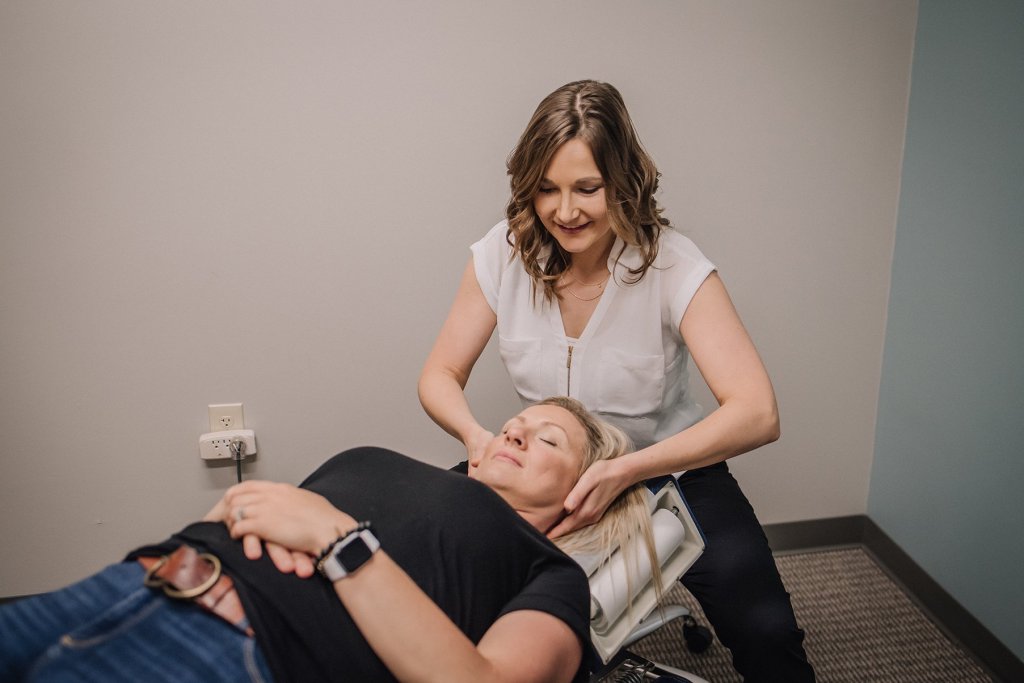
Personally speaking, I was treated for a minor ailment by a chiropractor several years ago. While being treated for the initial problem, he was also able to help me with another soft tissue problem I hadn’t realized was treatable. That began for me several years of preventive monthly sessions that I felt really helped my overall well-being.
Holistic wellness is about taking a proactive and integrated approach to health that considers the whole person and their interconnected aspects of well-being.
It allows us to cultivate a balanced and vibrant life through self-awareness, self-care, and a commitment to nurturing mind, body, and spirit.
It’s about finding what works best for us and integrating practices that nourish our mind, body, and spirit.
Do you agree with my questioning of traditional western medicine? What have you encountered in your own life with regards to self-care?
Please comment or follow my links, have a great day.
Check out my newly released eBook Living Happy: The Complete Guide To True Contentment.
Check out the new Happy Hub Etsy Shop.
Please visit and follow Happy Hub’s Instagram page.
Get your free Gratitude Journal: Happy Hub Journal Prompter and Worksheet **Free Download**.
Visit the Happy Hub YouTube Channel.
See the Happy Hub Healthy Lifestyle Tracker:

Please check out the Happy Hub Mindful Weight Loss e-Guide:

Check out the Happy Hub Mental Health Tracker:

 Happy Hub
Really great post. I’m a big fan of the holistic approach towards health. It’s not always about physical health, if anything is out of balance we will feel unwell.
LikeLiked by 1 person
Thanks, great comment, agreed.
LikeLike