We commonly hear today that self-improvement is a path to success and happiness.
While that makes sense logically, it’s important to pause and consider whether there can be too much of a good thing.
Can the relentless pursuit of self-improvement lead to negative outcomes?
Let’s get into this intriguing question.
Striking a Balance with Personal Growth
The Allure of Self-Improvement
Self-improvement, at its core, is about striving to become the best version of ourselves.
It encompasses a wide range of goals, from achieving career success and financial stability to cultivating better relationships and enhancing physical health.
The desire to improve is essentially fuelled by the belief that personal growth leads to a more fulfilling life.

Intensely Pursuing Personal Growth
However, like most things, self-improvement might become detrimental when taken to extremes:
Burnout and Stress: Constantly pushing oneself to achieve more can lead to burnout and chronic stress. When every waking moment is focused on self-improvement goals, there’s little room left for relaxation and enjoying the present moment.
Unrealistic Expectations: Setting excessively high standards for ourselves can result in feelings of inadequacy and disappointment. The pressure to constantly improve can create a cycle where one never feels satisfied with their achievements.
Neglecting Well-being: Physical and mental well-being can suffer when self-improvement neglects self-care. Extreme diets, excessive exercise regimes, and neglecting sleep are common pitfalls of overly intense self-improvement practices.
Strained Relationships: A singular focus on self-improvement can strain relationships with friends, family, and colleagues. When personal goals take priority over meaningful connections, loneliness and isolation may result.
Finding Balance
Finding a balance between self-improvement and self-acceptance is key to avoiding some these pitfalls. Here are some strategies:
Set Realistic Goals: Establish goals that are challenging yet attainable. Celebrate achievements along the way and recognize that setbacks are a natural part of growth.
Practice Self-Compassion: Be kind to yourself when facing challenges or setbacks. Self-compassion involves treating ourselves with the same understanding and empathy as we’d offer to a friend.
Prioritize Well-being: Remember that physical and mental health are essential components of overall well-being. Incorporate activities that promote relaxation, such as hobbies or mindfulness practices.
Nurture Relationships: Allocate time and energy to maintain meaningful connections with loved ones. Strong relationships provide support and perspective outside of personal achievements.
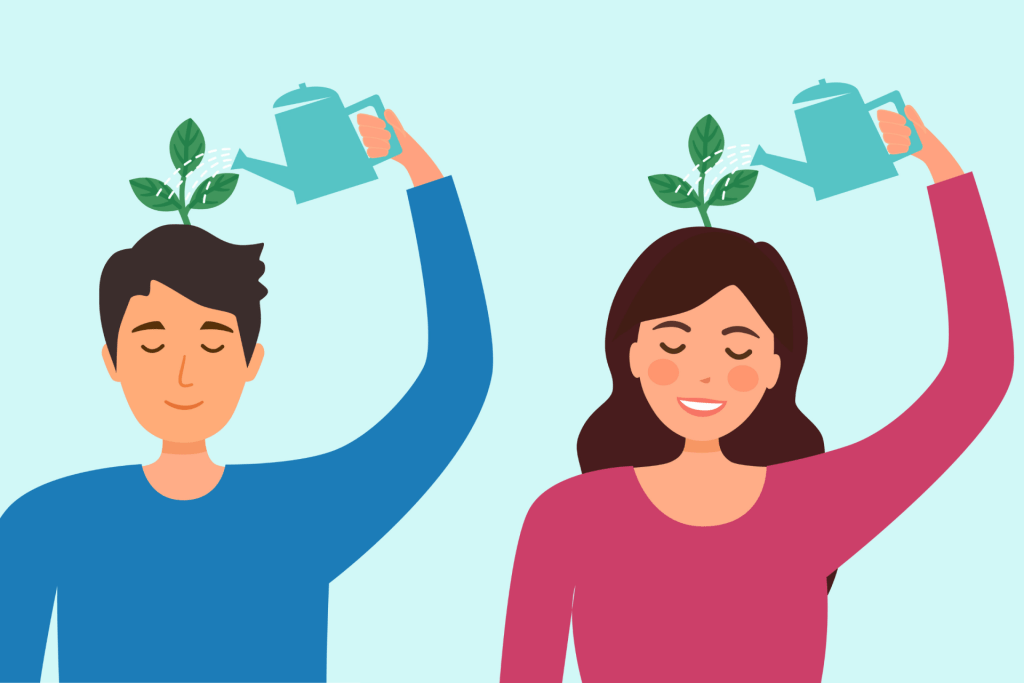
Final Thoughts
Self-improvement is a valuable pursuit that can enrich our lives in so many ways.
But it’s also really important to approach it mindfully and recognize when it starts to overshadow other aspects of our well-being.
By aiming for balance and cultivating self-compassion, we can harness the benefits of self-improvement while maintaining a healthy perspective on our journey of growth. Ultimately, the goal is not perfection but rather a journey of continuous learning and self-discovery.
Try embracing the process of self-improvement with a spirit of curiosity and kindness towards yourself and others.
Ideally we want our personal growth efforts to complement rather than overwhelm our sense of happiness and contentment.
Do you think self-improvement can be taken too far?
Let me know in the comments, thanks for reading.
Check out the new Happy Hub Etsy Shop.
Please visit and follow Happy Hub’s Instagram page.
Check out the Happy Hub YouTube Channel.
Check out my newly released eBook Living Happy: The Complete Guide To True Contentment.

See the new Happy Hub Weight Loss Planner:
Check out the new expansive Happy Hub Self-Care Tracker and Planner:

 Happy Hub
One thought on “Striking A Balance With Personal Growth”