Many say that food is one of life’s greatest pleasures, and our preferences are as diverse as our individual experiences.
Have you ever stopped to wonder why you gravitate toward certain flavours, textures, or cuisines?
The reasons behind our food preferences are complex, influenced by biology, culture, psychology, and personal experiences.
Let’s explore the fascinating world of why we like what we like when it comes to food.
Understanding Our Food Preferences
Biological Influences
Genetics
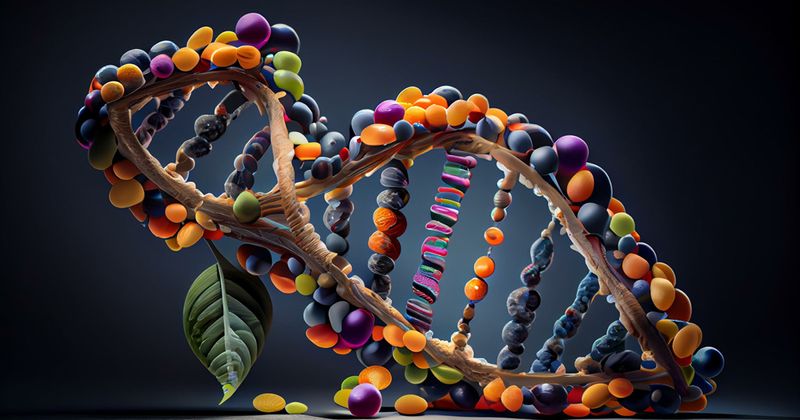
Our genes play a big role in shaping our taste buds and, subsequently, our food preferences.
Studies have shown that genetic variations can affect our sensitivity to certain tastes.
For example, some people are more sensitive to bitter flavours, which may lead them to avoid foods like Brussels sprouts or dark chocolate. On the other hand, those with a preference for sweet flavours might be more inclined to enjoy desserts and fruits.
Evolutionary Factors
From an evolutionary standpoint, our food preferences have developed as survival mechanisms. Our ancestors learned to prefer sweet and fatty foods, which provided energy and were often safe to eat.
Conversely, a strong aversion to bitter flavors may have evolved as a way to steer clear of potentially toxic substances. This instinctive wiring still influences our choices today.
Cultural Impact
Traditions and Heritage:
Culture can significantly shape our culinary preferences. The foods we grow up with often become comfort foods, evoking nostalgia and a sense of belonging.
Cultural norms dictate not only what we eat but also how we eat, influencing everything from dining etiquette to food pairings.
Social Influences:
Social settings can also sway our food choices. We tend to adopt the preferences of those around us, whether it’s friends, family, or even social media influencers.
Food is often a communal experience, and trying new dishes in a group can enhance our appreciation for different flavours or dishes.
Psychological Factors
Emotional Connections:
Food is deeply intertwined with our emotions. We often associate certain dishes with memories, celebrations, or comfort during tough times.
For example, a warm bowl of soup might remind you of your grandmother, while a specific cake may bring back memories of birthday parties. These emotional ties can strongly influence our preferences, making us crave foods that evoke positive feelings.
The Role of Mindfulness
Mindfulness also plays a role in our food preferences. Being present while eating, like when we savour each bite, can change our relationship with food.
When we appreciate the taste and textures, we may develop a greater affinity for those foods.
Conversely, mindless eating can lead to a disconnect, where we fail to enjoy what we’re consuming.
Personal Experiences
Exposure and Variety:
The more varied our diets, the broader our preferences can become.
Trying new foods expands our palate and encourages us to explore different foods. This exposure can lead to a newfound appreciation for cuisines that may have initially seemed unfamiliar or unappealing.
Cooking and Preparation
The way food is prepared can also impact our preferences.
A dish made with love can taste better simply because of the effort and care that went into it.

Final Thoughts
I decided to randomly research this topic and was mildly surprised at the genetic and evolutionary components discussed above.
Personally, I’m a very non-picky eater, not exactly sure why that is I just enjoy a wide variety of foods.
By exploring the reasons behind what we crave, we get a deeper understanding for the meals we enjoy.
Experimenting with cooking can also lead to discovering new favourites and rekindle a passion for food.
Whether it’s enjoying a family recipe or trying something new at a local restaurant, our food choices reflect who we are and where we come from.
What are some of your food preferences, and have you ever considered why you like certain foods?
Let me know in the comments, thanks for reading.
Check out the new Happy Hub Etsy Shop.
Please visit and follow Happy Hub’s Instagram page.
Check out the Happy Hub YouTube Channel.
Check out the new Staying Young Printable Guide.

See the Happy Hub Healthy Lifestyle Tracker:

 Happy Hub
Very useful post.
LikeLiked by 3 people
Thank you, and thanks for the support!
LikeLiked by 2 people