In today’s fast-paced world, many people experience feelings of anxiety, overwhelm, or exhaustion, often without understanding why.
One potential culprit behind these sensations is nervous system dysregulation.
But what exactly is this condition, and how can we address it? Let’s explore.
What is Nervous System Dysregulation?
Understanding Nervous System Dysregulation
Nervous system dysregulation occurs when the body’s nervous system struggles to maintain balance and respond appropriately to stressors.
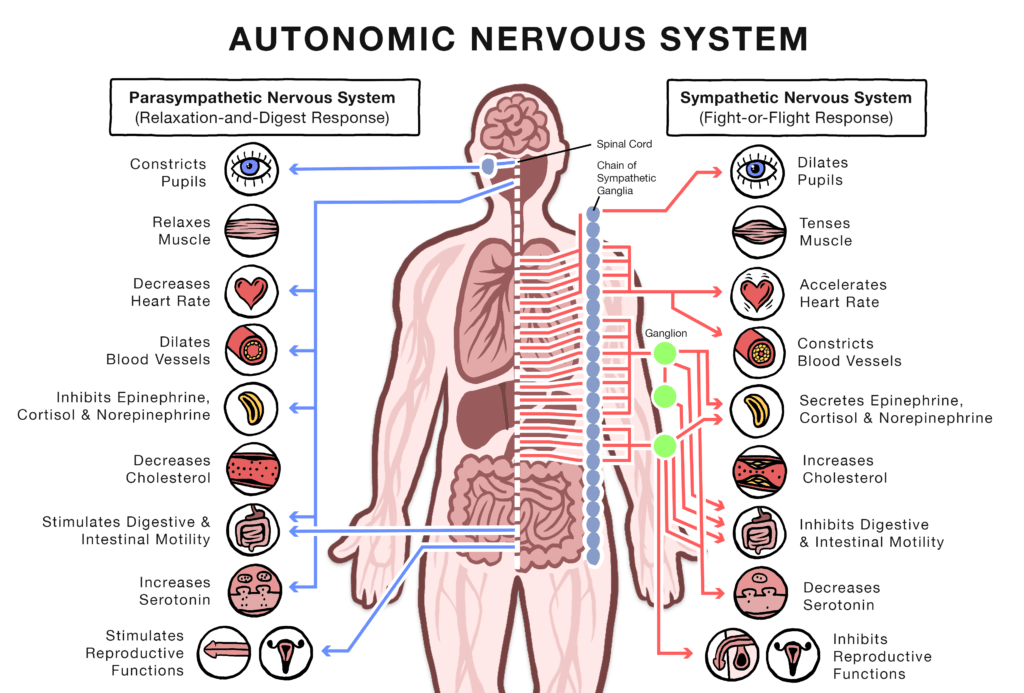
Our nervous system is responsible for processing information, regulating bodily functions, and responding to our environment. It consists of two main parts:
The Sympathetic Nervous System (SNS): Often referred to as the “fight or flight” system, it prepares the body to respond to threats by increasing heart rate, redirecting blood flow, and heightening alertness.
The Parasympathetic Nervous System (PNS): Known as the “rest and digest” system, it helps the body relax and recuperate by slowing the heart rate, promoting digestion, and restoring energy.
A well-functioning nervous system alternates smoothly between these states. Dysregulation occurs when this balance is disrupted, leading to persistent states of anxiety, hyper-arousal, or, conversely, emotional numbness and fatigue.
Signs of Nervous System Dysregulation
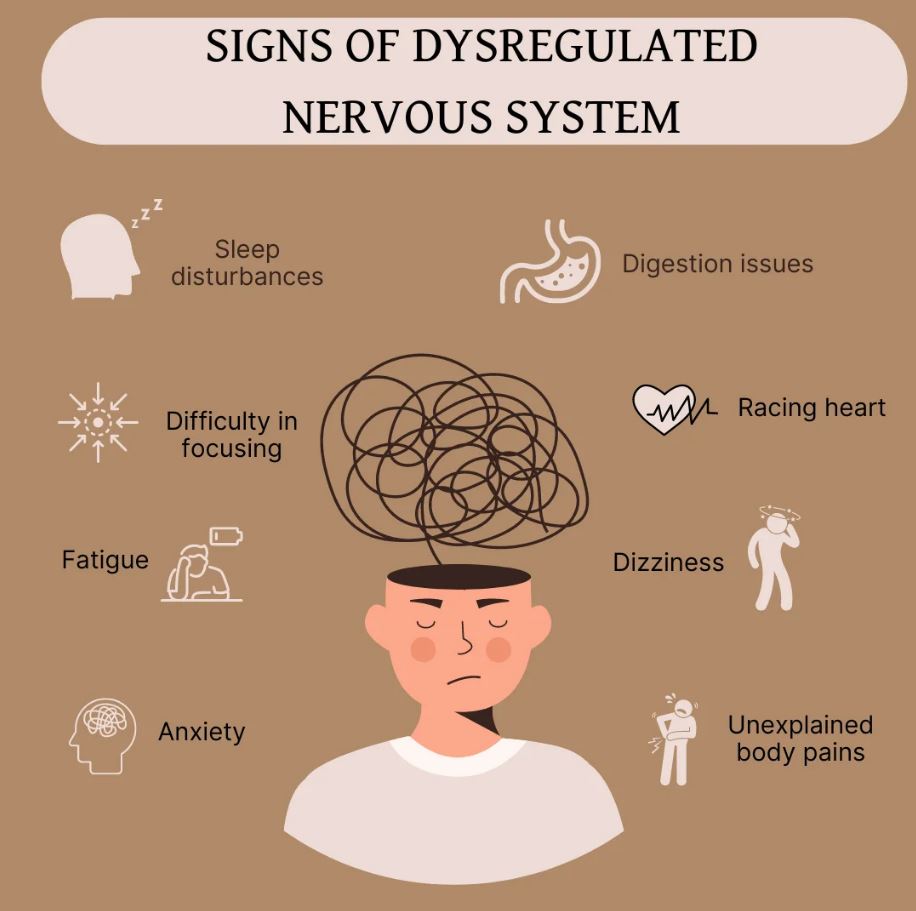
Recognizing the signs of dysregulation is the first step toward regaining balance. Common symptoms include:
Chronic Anxiety or Stress: Persistent feelings of anxiety that interfere with daily life.
Emotional Numbness: A sense of disconnection from feelings or surroundings.
Fatigue: Persistent tiredness, even after adequate rest.
Difficulty Concentrating: Trouble focusing or feeling mentally foggy.
Physical Symptoms: Increased heart rate, digestive issues, or muscle tension.
Irritability: Heightened sensitivity to stress or frustration.
Causes of Nervous System Dysregulation
Several factors can contribute to nervous system dysregulation:
Chronic Stress: Long-term exposure to stressors can wear down the body’s ability to regulate itself.
Trauma: Past traumatic experiences can leave the nervous system in a state of heightened alertness or shutdown.
Lifestyle Factors: Poor diet, lack of sleep, and insufficient exercise can impact overall well-being.
Environmental Factors: Overstimulation from technology, noise, and urban environments can overwhelm the nervous system.
Medical Conditions: Certain health issues, such as chronic pain or autoimmune disorders, can contribute to dysregulation.
Strategies for Regaining Balance
While nervous system dysregulation can feel overwhelming, there are several effective strategies to promote healing and restore balance:
Mindfulness and Meditation: Practicing mindfulness helps anchor us in the present moment, reducing anxiety and promoting a sense of calm. Meditation techniques, such as deep breathing or guided imagery, can help activate the PNS, encouraging relaxation.
Physical Activity: Regular exercise is a powerful tool for regulating the nervous system. Activities like yoga, walking, or dancing can help release built-up tension and improve mood.
Healthy Eating: A balanced diet rich in whole foods can support overall nervous system health. Focus on incorporating fruits, vegetables, whole grains, and healthy fats.
Sleep Hygiene: Prioritizing quality sleep is important for nervous system regulation. Establish a calming bedtime routine, limit screen time before bed, and create a comfortable sleep environment.
Professional Support: Therapeutic interventions, such as talk therapy, can be beneficial in addressing trauma and teaching coping strategies. A nutritionist can help with establishing a proper diet.
Connect with Nature: Spending time outdoors can have a soothing effect on the nervous system. Nature walks, gardening, or simply sitting in a park can help ground you.
Social Connections: Engaging with supportive friends and family can help give us feelings of safety and belonging, which are vital for nervous system regulation.

Final Thoughts
Nervous system dysregulation is a common issue that many of us face, especially in our fast-paced, stress-filled lives.
It seems that many of us may be living much of our lives in a “fight or flight” state of being without fully realizing it.
By recognizing the signs and understanding the underlying causes, we can take proactive steps to promote healing and restore balance.
Incorporating mindfulness and keeping healthy habits can lead to a more regulated, peaceful state of being.
As we’ve touched on above, there are resources and strategies can help you reclaim your well-being.
What do you think? Please comment below, thanks for reading.
Visit the Happy Hub Etsy Shop.
Please visit and follow Happy Hub’s Instagram page.
Check out the Happy Hub YouTube Channel.
Check out the Happy Hub Mental Health Tracker:

See the Happy Hub Healthy Lifestyle Tracker:


I hadn’t heard of Nervous System Dysregulation before but that was an interesting read. Now that I think about it, I think quite a few people may be unknowingly be suffering from it.
LikeLiked by 2 people
Thanks Pooja, ya it’s really interesting. I watched a video about it recently which motivated me to look into it and write this. (More stuff they didn’t teach us in school, or I don’t remember that lesson.. lol)
LikeLiked by 1 person