When it comes to pets, most people think of cats, dogs, and maybe a goldfish or two.
But for those looking to spice up their lives with something a bit more unconventional, there’s a whole world of unique companions waiting to be discovered.
If you’re ready to think outside of the box on this one, let’s consider some fascinating options that might be perfect for you.
Unconventional Pets
What Are Some Unconventional Pets to Consider?
Fennec Fox
These adorable little desert dwellers are like a real-life cartoon character.
With their oversized ears and playful demeanour, fennec foxes are both cute and quirky. They require a lot of space and mental stimulation, so they’re not for the faint of heart, but their loyalty and playful antics make them a fun addition to any adventurous home. Plus, who wouldn’t want to say they have a fox as a pet?
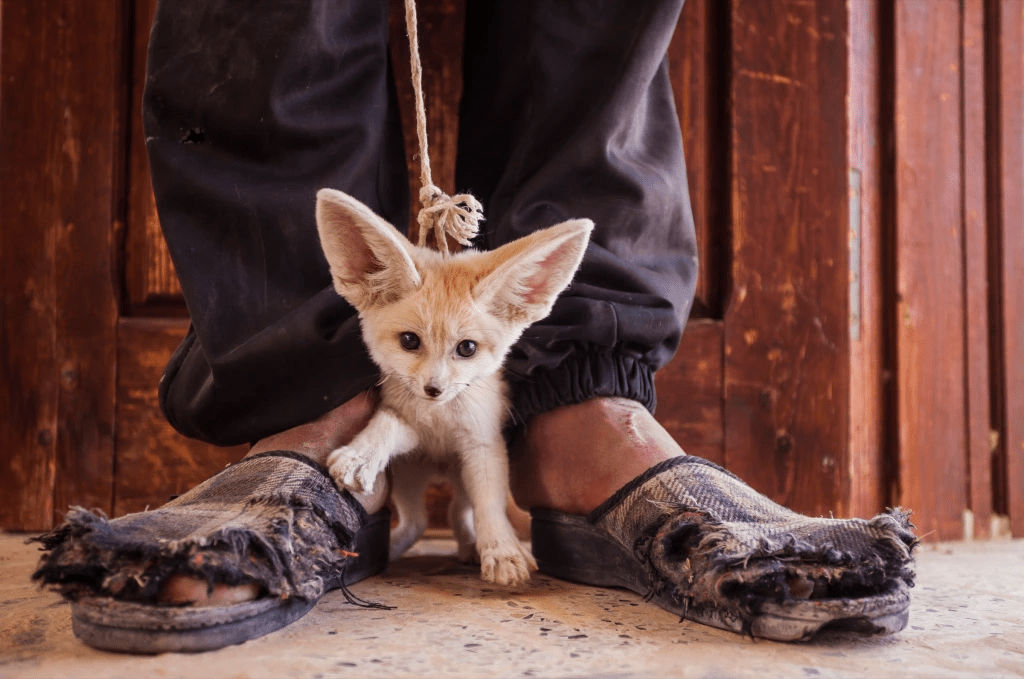
Fun Fact: Fennec foxes are nocturnal, so you might find your new furry friend more active during the night. (Although they apparently will adjust to their owner’s schedule.)
Miniature Pig
Forget the stereotype of the messy, giant farm pig.
Miniature pigs, also known as “teacup pigs,” are playful, intelligent, and incredibly social. They can be litter-trained and love to learn tricks. Just make sure to do your research, as they can still grow larger than expected.

Fun Fact: Miniature pigs are highly intelligent and can be trained to perform various tasks, from fetching toys to navigating obstacle courses.
Capybara
The capybara is the world’s largest rodent, and they are known to make good pets.
Known for their calm nature, capybaras thrive in social settings, so it’s best to adopt them in pairs. They love to swim, munch on grass, and bask in the sun, making them a perfect pet for those with a spacious backyard.

Fun Fact: Capybaras are semi-aquatic and have webbed feet, which makes them excellent swimmers. They often enjoy lounging in water, so a kiddie pool can be a great addition to their habitat.
Sugar Glider
If you’re looking for a pocket-sized companion, look no further than the sugar glider. These tiny marsupials are known for their gliding ability and affectionate nature. They bond closely with their owners and can even learn to enjoy being carried around in a pouch.

Fun Fact: Sugar gliders can glide through the air up to 150 feet! They have a membrane between their front and back legs that helps them soar gracefully through the air.
Tarantula
For the brave at heart, a tarantula can be an incredibly low-maintenance pet. These fascinating arachnids require minimal space and are surprisingly easy to care for.

Fun Fact: Tarantulas can live for over 20 years in captivity. Some species even have unique colours and patterns, making them quite the attractive pet… if you’re into big scary spiders?
Axolotl
If you’re a fan of the aquatic world but want something different from a typical fish tank, consider the axolotl. These enchanting amphibians are known for their ability to regenerate limbs and have a permanently cute, smiley face. They require a well-maintained aquatic environment but are otherwise easy to care for.
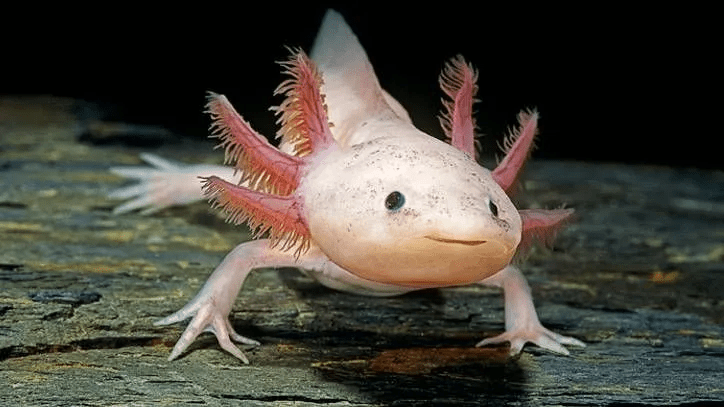
Fun Fact: Axolotls can regenerate not only limbs but also parts of their heart and brain, making them a true marvel of nature.
Kinkajou
Kinkajous are tropical rainforest animals that resemble a mix between a monkey and a raccoon. They are playful, social, and have a knack for getting into everything. Kinkajous are nocturnal and thrive on interaction, making them perfect for owners who can provide companionship and engagement.

Fun Fact: Kinkajous have a prehensile tail that helps them balance as they swing through the trees, and they can even use it to grasp objects.
Chinchilla
If you love the idea of a fluffy, cuddly pet but want something a bit less conventional than a cat or dog, chinchillas might be for you. These soft, nocturnal creatures are known for their playful personalities and love of dust baths. They require a bit of special care but are incredibly rewarding companions.
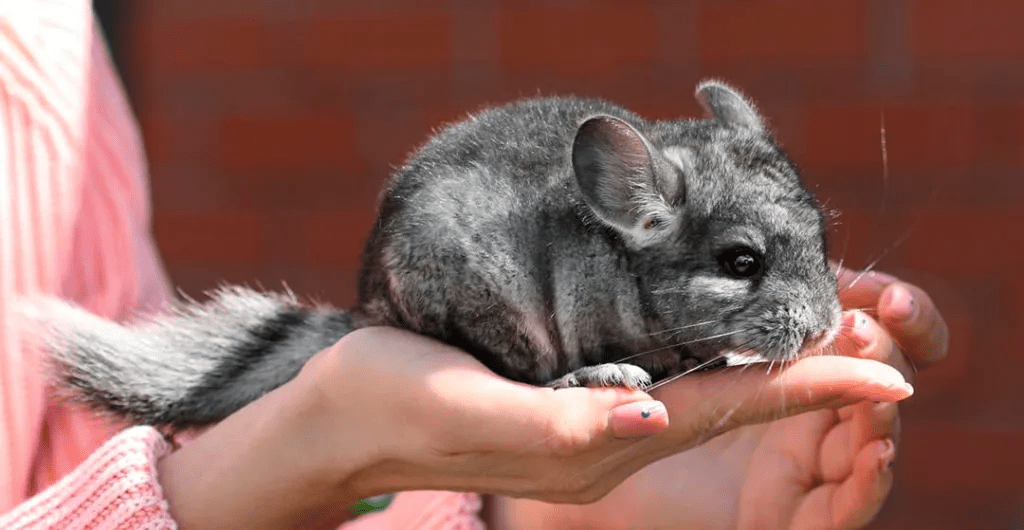
Fun Fact: Chinchillas have the densest fur of any land mammal, up to 60 hairs can grow from a single follicle. This makes them incredibly soft and resistant to temperature changes.
Final Thoughts
I had fun with this one, and honestly hadn’t even heard of a couple of them.
Choosing an unconventional pet can be an interesting and rewarding experience, bringing unique joy and companionship into your life.
While these pets might require a bit more research and commitment than traditional options, their quirky personalities and fascinating behaviours might make them worth the effort.
If you are considering an unconventonal pet, please check your local laws to make sure there are no restrictions.
So, if you’re ready to embrace the unusual, consider welcoming one of these unconventional companions into your home!
Would you consider one of these as a pet? Let me know in the comments! Thanks for reading.
Check out the new Happy Hub Etsy Shop.
Please visit and follow Happy Hub’s Instagram page.
Check out the Happy Hub YouTube Channel.
Check out the printable Animals Activity Book for kids:

 Happy Hub
I like the Capybara. Incidentally, Leonberger dogs have webbed feet too and are great swimmers.
LikeLiked by 2 people
Thank you, the Capybara seems very cool.. Oh that’s very interesting about the Leonbergers, thanks Thomas.
LikeLiked by 1 person
These are so cute. I’ve wanted a miniature pig for so long. They’re just so adorable.
LikeLiked by 1 person
Haha ya I love these, … oh cool, ya the mini pigs seem so nice! and yes very cute..
LikeLiked by 1 person
The are cute, but some cautions:
Yes, there are regulations surrounding the removal of these animals from their natural habitats, as well as rules about keeping them as pets. These regulations vary by country, state, and even city, but generally, here’s an overview:
1. Chinchillas
• Regulations: Chinchillas are widely bred in captivity, and in most places, it’s legal to keep them as pets. However, removing them from their natural habitat (Andes Mountains in South America) is illegal due to conservation efforts, as they are a threatened species.
• Legal as Pets: Yes, in most places, but with restrictions on wild capture.
2. Sugar Gliders
• Regulations: In some places, like California and Hawaii, it’s illegal to own sugar gliders because they can disrupt local ecosystems if released or escape.
• Legal as Pets: Legal in many U.S. states, but illegal in others. Permits may be required in certain places, such as Pennsylvania.
3. Kinkajou
• Regulations: Kinkajous are exotic animals, and keeping them as pets can require a special permit. Importing or removing them from the wild (Central and South America) is generally restricted due to their protected status.
• Legal as Pets: Legal in some states like Texas and Florida, but often with strict regulations.
4. Axolotl
• Regulations: Axolotls are critically endangered in the wild, so removing them from their native habitat (lakes in Mexico) is illegal. However, they are commonly bred in captivity for the pet trade and research.
• Legal as Pets: Legal in most U.S. states but banned in places like California, New Jersey, and Maine due to environmental concerns.
5. Tarantula
• Regulations: Regulations on tarantulas are generally less strict, but collecting them from the wild can be illegal in some areas, particularly species that are threatened or protected.
• Legal as Pets: Legal in most places, though certain species may be restricted.
6. Capybara
• Regulations: Capybaras are regulated in some states due to their size and exotic nature. They can be challenging to keep as pets and may require permits in some places. Removal from the wild (South America) is illegal.
• Legal as Pets: Legal in some states like Texas and Pennsylvania, but illegal in others, like California.
7. Fennec Foxes
• Regulations: Fennec foxes are native to North Africa and are protected in their natural habitat. Owning them as pets requires permits in many places due to their status as exotic animals
LikeLiked by 1 person
Thanks for all the great information, appreciate it.
LikeLiked by 1 person