Exploring how past generations viewed happiness can provide us with valuable insights into our own lives today.
From ancient philosophies to the industrial age, each era has contributed unique perspectives on what it means to live a fulfilling and joyful life.
Let’s explore a few of these past eras, and examine their perspectives on happiness.
Happiness: Historical Perspectives
Ancient Philosophies: Happiness as Virtue
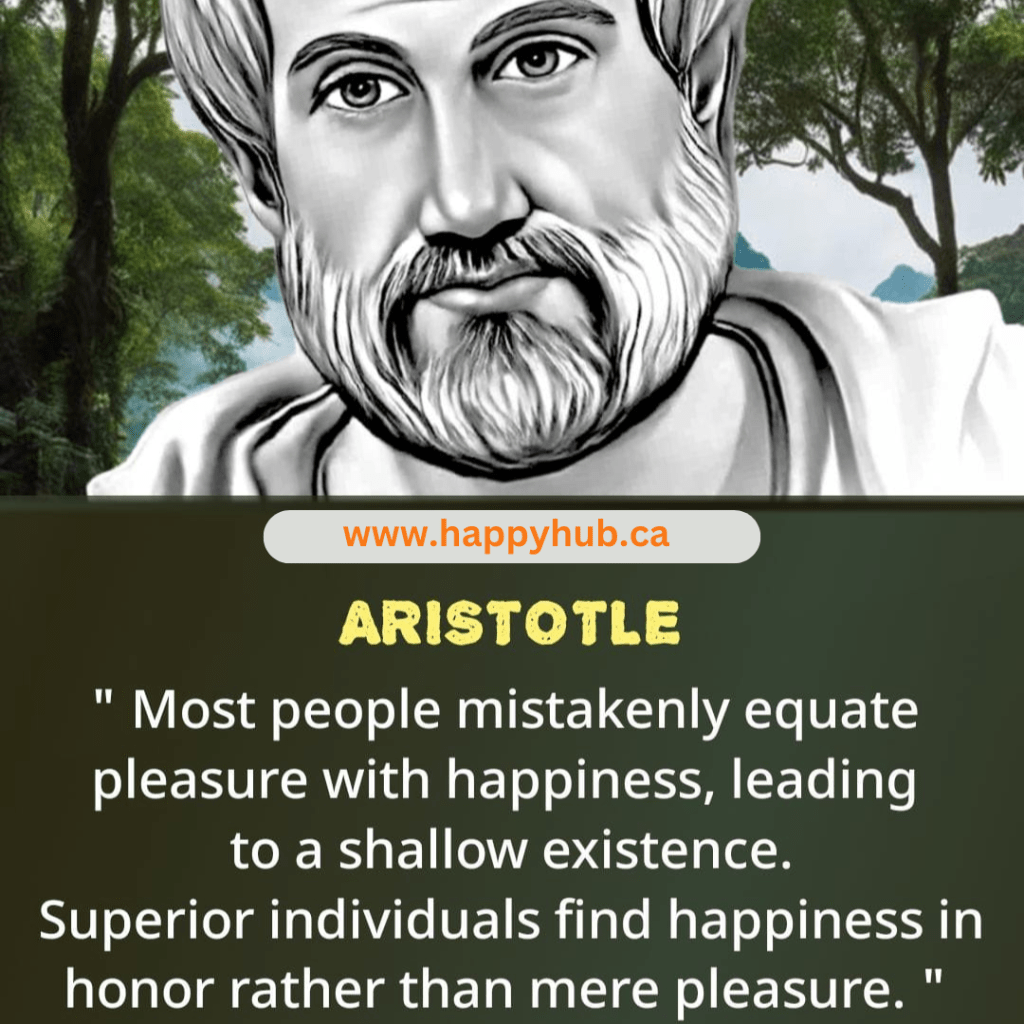
In ancient Greece, philosophers like Aristotle defined happiness as the highest good; a state achieved through virtue and fulfilling one’s potential.
Happiness was not seen as a fleeting emotion but as a way of being that resulted from living a life of moral and intellectual excellence. Aristotle believed that happiness comes from a balanced life, one that includes friendships, personal development, and a sense of purpose.
Similarly, in ancient Eastern philosophies, such as Buddhism, happiness was linked to the reduction of suffering and attachment.
The Buddha taught that true happiness arises from inner peace and understanding, emphasizing mindfulness and the importance of compassion toward oneself and others. This focus on inner contentment laid a foundation for how future generations would think about happiness.
The Medieval Perspective: Spiritual Fulfillment
During the Middle Ages, happiness became closely tied to spiritual fulfillment and the afterlife.
The Church played a central role in defining happiness, often associating it with worship and the promise of eternal life. Joy was seen as a divine gift, and earthly pleasures were frequently viewed with suspicion.
The focus was on virtues like faith, charity, and humility, with the understanding that true happiness could be found in serving God and preparing for a better existence beyond this life.
The Enlightenment: Reason and Individualism
The Enlightenment era marked a shift in the understanding of happiness, emphasizing reason, individualism, and personal rights.
Philosophers such as John Locke and Jean-Jacques Rousseau advocated for the idea that individuals have the right to pursue happiness as a fundamental human right. This period laid the groundwork for modern notions of happiness, highlighting the importance of personal freedom and self-determination.
This newfound focus on individual happiness also brought about societal challenges. The industrial revolution led to urbanization and a shift away from community-oriented lifestyles. People began to seek happiness in material success and economic prosperity, often at the expense of personal relationships and mental well-being.
The 20th Century: Psychological Insights
As psychology emerged as a formal discipline in the 20th century, the understanding of happiness began to evolve further. Psychologists like Sigmund Freud and later positive psychologists such as Martin Seligman shifted the focus toward understanding human behaviour, emotions, and the factors that contribute to a fulfilling life.
The rise of consumer culture also influenced perceptions of happiness, often equating it with wealth and possessions. However, many thinkers, including existentialists and humanists, began to challenge this view, emphasizing the importance of authenticity, self-actualization, and meaningful connections with others.

Contemporary Reflections: A Balanced View
Today, we live in a world where the pursuit of happiness is often considered a personal journey.
While the quest for individual happiness remains on top of most people’s minds, there’s a growing recognition of the interconnectedness of our well-being with that of our communities and the environment.
Concepts like mindfulness, gratitude, and emotional intelligence are becoming central to discussions about happiness, drawing on wisdom from past generations while addressing modern challenges.
Final Thoughts
Happiness is really one of those things can mean something slightly different to everyone, and even its definition can often depend on the environment we find ourselves in.
It’s a universal pursuit, yet its definition and the paths to achieving it have varied quite a bit across generations and cultures. We can draw inspiration from these historical views, as we all try to adapt to the complexities of modern life.
Happiness today remains a deeply personal path, influenced by both the lessons of the past and the choices we make in the present.
What does happiness mean to you?
Thanks for reading, please comment or follow the links.
Visit the Happy Hub Etsy Shop.
Please visit and follow Happy Hub’s Instagram page.
Check out the Happy Hub YouTube Channel.
Click below to see the growing list of Books and Guides for sale from our Etsy Shop:

 Happy Hub
2 thoughts on “Happiness: Historical Perspectives”