Inherited traits are characteristics we receive directly from our parents through our genes. These traits are coded in our DNA and passed down from generation to generation.
Learned traits are those that are shaped by our environment, experiences, and the people around us.
So how do both of these come together to shape who we’ve become? Let’s discuss.
Inherited Traits vs. Learned Traits
Physical Traits
One of the most noticeable ways we inherit traits is through our appearance. From the colour of our eyes to the shape of our nose, many physical characteristics are genetically determined.
Eye Colour: The most common example of an inherited trait is eye colour. If one parent has brown eyes and the other has blue, the child may inherit either colour, depending on which genes are passed down. (Brown eyes are typically dominant, meaning they are more likely to be expressed in the child.)
Hair Colour: Similarly, hair colour, and even whether we go grey at an early age are largely determined by the genes we inherit.
Height and Body Type: How tall we grow and the way our bodies develop is strongly influenced by our genetics. If your parents are tall, it’s likely you’ll be tall too.
Blood Type: The blood type (A, B, AB, or O) you have is inherited from your parents. Blood type is determined by the combination of specific variants of genes you inherit from them.
Health and Vulnerabilities
Some health traits are also inherited, which means you may be more susceptible to certain conditions based on your family’s genetic history. For example:
Genetic Disorders: Conditions like cystic fibrosis, sickle cell anemia, and Huntington’s disease are inherited in specific patterns, and a carrier’s future offspring could develop a genetic disorder.
Susceptibility to Certain Diseases: While lifestyle choices play a large role, genetic factors can make you more prone to conditions like heart disease, diabetes, or even certain cancers.
Personality and Behaviour Traits: Studies have shown that many behavioural traits, like introversion vs. extraversion, aggression, and emotional regulation, have genetic components.

Learned Traits
While we inherit a blueprint of traits from our parents, we also learn and adapt many of our characteristics as we grow. These traits can be developed over time and may vary widely from person to person.
Skills and Knowledge
Languages: The ability to speak is learned. While we may inherit the capacity for language, the specific languages we speak depend on where we grow up, who we interact with, and the education we receive.
Abilities: Skills like playing an instrument, painting, or programming computers are learned through practice, education, and experience. The talent for these activities might have a genetic component, but the expertise is gained through learning.
Problem Solving and Critical Thinking: While cognitive abilities (such as IQ) have some genetic influence, the development of problem-solving skills, decision-making abilities, and creativity are largely shaped by life experiences, education, and exposure to different situations.
Behaviours and Habits
Social Skills: Social behaviour, like the ability to make friends, communicate, and navigate complex social situations, is learned. Children learn social behaviours from their family, peers, and culture. Some children may be naturally shy or outgoing, but these traits can be influenced by experiences and practice over time.
Fears and Phobias: Many of our fears, like fear of public speaking, spiders, or heights, are learned through experience or cultural conditioning.
Habits and Routines: The routines we follow each day are largely shaped by upbringing, culture, and personal choices.
Cultural and Moral Beliefs
Values and Morals: While some foundational aspects of personality may be inherited, most of our values, ethics, and moral beliefs are learned from family, community, and society.
Religious Beliefs: Religious beliefs and practices are learned from the community or family in which you are raised.
Nature Meets Nurture
In reality, most traits are shaped by a combination of both inherited factors and life experiences. This interaction between nature (our genetic inheritance) and nurture (our environment and experiences) is often referred to as the “nature vs. nurture” debate, and it’s clear that both play an important role in shaping who we are.
For example:
A person might inherit a predisposition toward athleticism but whether or not they become a great athlete will depend largely on their training, practice, and opportunities.
A person may inherit a natural ability to learn languages, but the number of languages they speak and the fluency they achieve will depend on their exposure to those languages and the effort they put into learning them.

Final Thoughts
Inherited traits provide us with the foundation for who we are as they influence our appearance, our health, and some aspects of our personality.
However, learned traits allow us to adapt, grow, and develop over time, often in response to our environment and experiences. Our unique combination of inherited and learned traits is what makes each person unique.
Understanding how both play a role in shaping our identity can help us appreciate the complexity of human development.
Whether through genetics or experience, we are continuously evolving, combining nature and nurture to become who we are meant to be.
What do you think?
Do you find it interesting to ponder whether part of who you’ve become has origins in your genetics, or is simply a product of environment and experience?
Thanks for reading, please comment or follow the links.
Get your free Gratitude Journal Prompter.
Visit the Happy Hub Etsy Shop.
Please visit and follow Happy Hub’s Instagram page.
Check out the Happy Hub YouTube Channel.
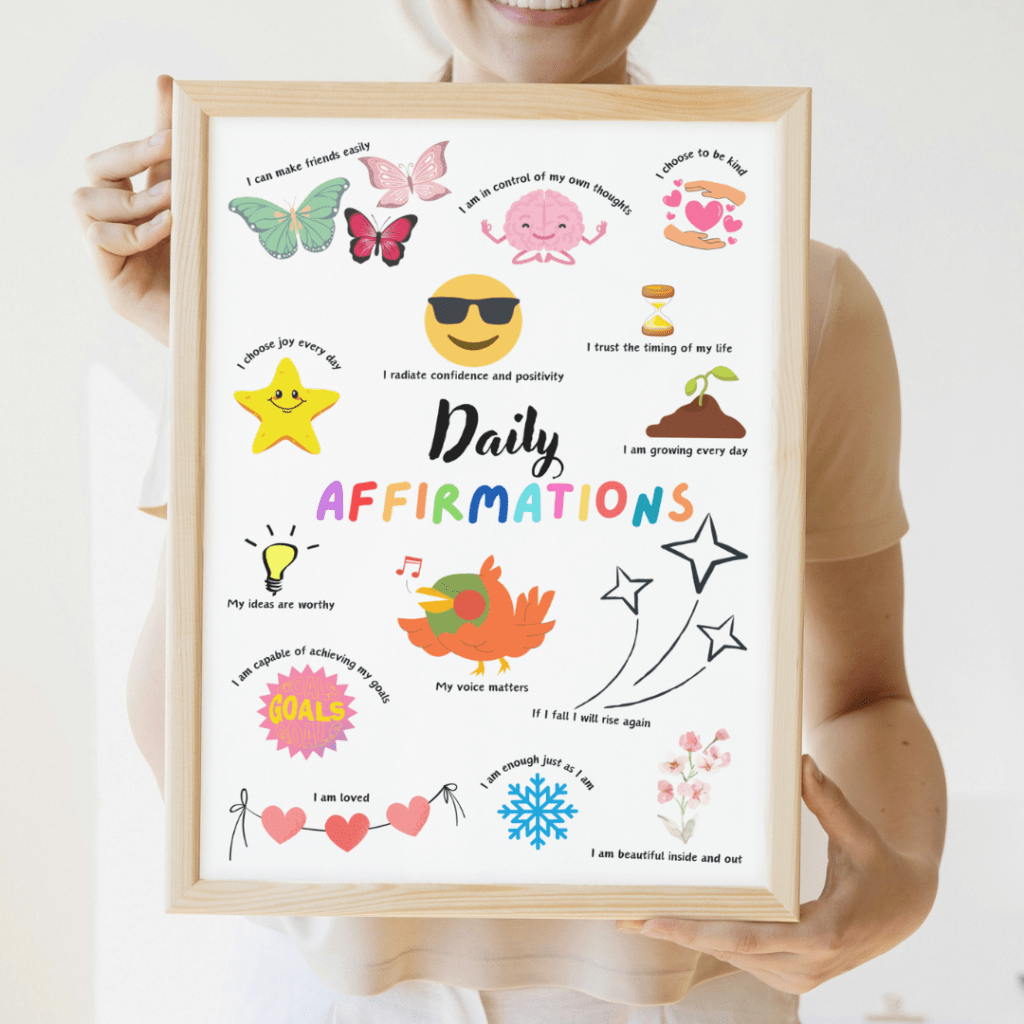
Check out our new Daily Affirmations Printable Poster:
 Happy Hub
It’s so interesting to think about traits like fears or social skills being learned, rather than something we’re born with.👌👍🌷
LikeLiked by 2 people
Thanks a lot, I also find it quite interesting to think about. In our early years we’re often conditioned by our parents, the same people that gave us our genes, so it’s harder to determine if something is genetic or learned. Much appreciated :).
LikeLiked by 1 person
🤝🌷
LikeLike