While nanotechnology is still evolving, its potential to revolutionize medicine and healthcare is becoming increasingly clear.
Nanotechnology is a field of science and engineering focused on designing, producing, and manipulating materials and devices at the scale of atoms and molecules.
A nanometer is one-billionth of a metre, so we’re talking about things that are incredibly tiny.
Over the next few decades, nanotech could dramatically improve the way we treat, diagnose, and prevent diseases.
Let’s look at some of the ways it could potentially change the future of healthcare.
The Promise Of Nanotechnology
Targeted Drug Delivery
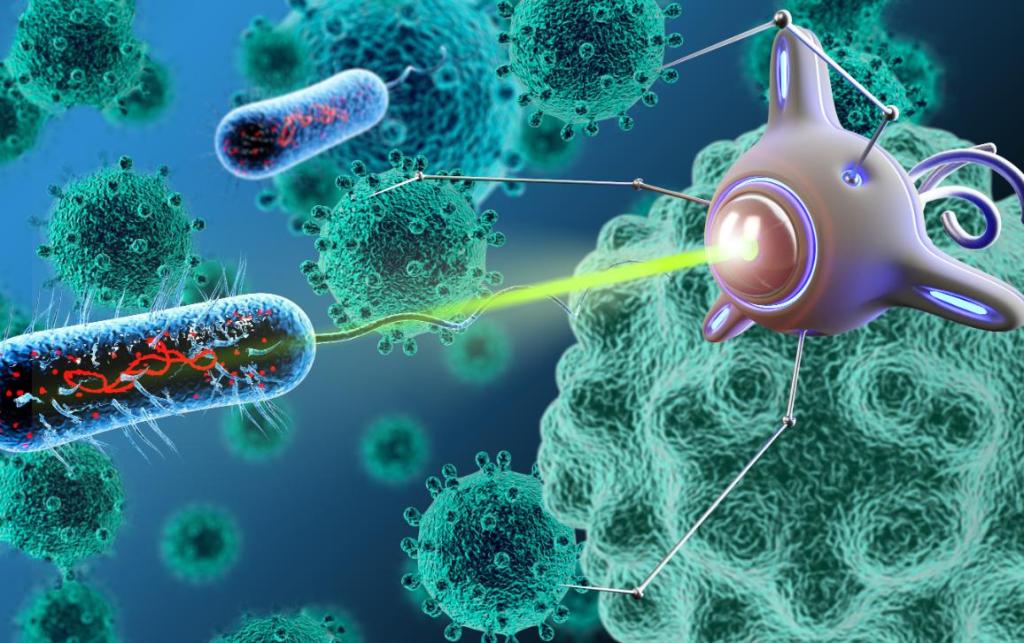
One of the most exciting prospects of nanotechnology in healthcare is the ability to improve drug delivery.
Traditional treatments often involve drugs that spread throughout the body, affecting not only the targeted area but also healthy tissues, leading to side effects.
Nanoparticles can be engineered to carry drugs directly to specific cells or tissues, such as cancerous tumours, without affecting surrounding healthy cells.
This type of precise, targeted delivery could vastly improve the effectiveness of treatments and significantly reduce side effects, making therapies like chemotherapy less damaging.
Advanced Diagnostics
Nanotechnology also holds great promise for early disease detection. Tiny sensors, capable of identifying molecular markers of disease, could be used to detect illnesses at their earliest stages, long before symptoms appear.
For example, nanoparticles could be used in blood tests to detect cancer, infections, or other conditions in their most treatable stages. Early diagnosis leads to faster and more effective interventions, which can be critical in improving patient outcomes.
Personalized Medicine
One of the future applications of nanotech in healthcare is the development of highly personalized treatments.
Through advanced nanodevices, which are tiny machines that interact with cells and tissues to perform specific tasks, doctors could analyze a patient’s unique genetic makeup. This would allow them to design custom treatments that are more effective and have fewer side effects.
For example, nanotechnology could be used to modify or deliver gene therapies tailored specifically to an individual’s DNA, which would revolutionize the way we approach genetic disorders, cancers, and even chronic conditions.
Regenerative Medicine
Nanotechnology also will help the field of regenerative medicine, where it could aid in the repair or replacement of damaged tissues and organs.
Nanoparticles may be used to stimulate the body’s natural healing processes, encourage tissue growth, and even regenerate damaged organs.
Research into nanotech could lead to breakthroughs in treating injuries, degenerative diseases like Alzheimer’s, and conditions that currently have limited treatment options.
Medical Implants and Devices
Tiny, nanotechnology-based devices are being developed that could monitor and manage health conditions in real-time.
These devices could be implanted into the body to track vital signs, detect infections, or release medication as needed.
A tiny implant could continuously monitor blood sugar levels and release insulin automatically for people with diabetes. These “smart” devices would make healthcare more proactive, reducing the need for frequent doctor visits and providing better control over chronic conditions.
The Future of Healthcare with Nanotechnology
As research into nanotechnology continues to advance, the possibilities for improving healthcare are seemingly limitless.
We may soon see nanotech applications that extend life expectancy, reduce healthcare costs, and make treatments more efficient and less invasive.
While there are still challenges to overcome in terms of safety, regulation, and production, the future of nanotechnology in medicine looks very promising.
Final Thoughts
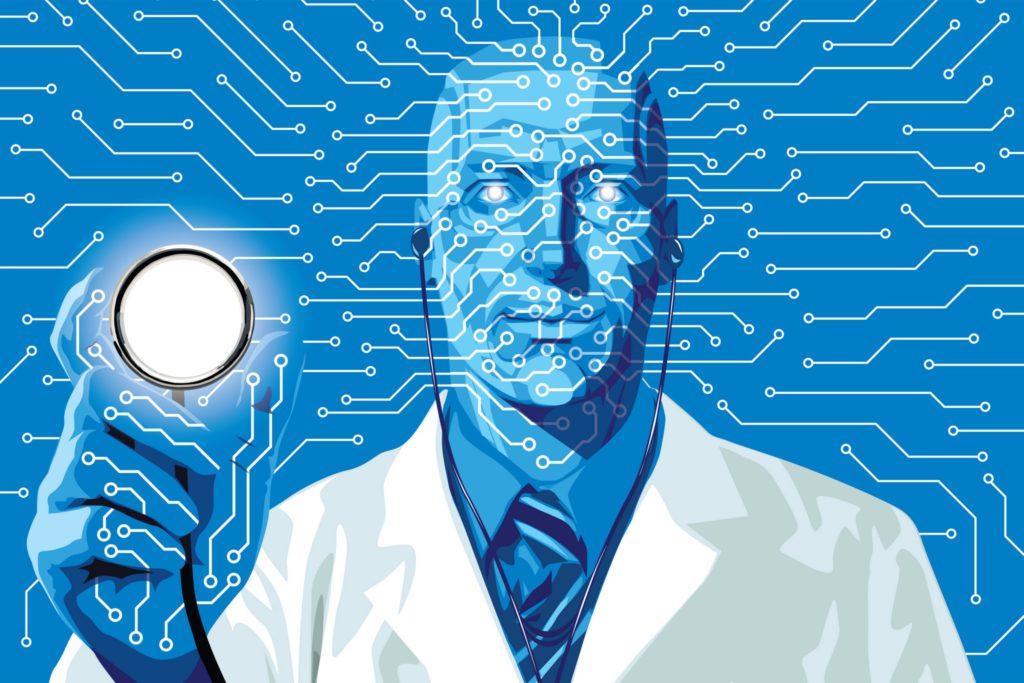
In the coming years, nanotechnology could be one of the most transformative forces in healthcare, offering safer, more effective treatments, personalized care, and enhanced disease prevention.
We’re so conditioned to fear a dystopian future where technology is used to control and manipulate us, but I think it’s equally possible that incoming technological advances will benefit humanity.
How do you feel about the direction of technology over the last few years?
Let me know in the comments, thanks for reading!
Check out the Happy Hub Etsy Shop.
Please visit and follow Happy Hub’s Instagram page.
Check out the Happy Hub YouTube Channel.
Check out the printable e-Guide for Staying Young:

Please check out the Happy Hub Superfoods e-Guide:

 Happy Hub
Nano technology is indeed facsinating and promising, especially for healthcare as you describe. I have to admit I have not read about nanotechnology in a while now, months. Thank you for the interesting update.
LikeLiked by 3 people
Sounds promising. I agree, people are terrified of technology but some of the technological advances happening can be life changing in the best way.
LikeLiked by 1 person
Thanks for the comment, I find it really interesting and promising too..
LikeLiked by 1 person
Thanks, ya it should be so interesting to see what happens in the near future.. trying to be optimistic about it all :).
LikeLiked by 1 person
Hopefully, good will come from it 🙂
LikeLike