In recent years, humanoid robots have evolved from futuristic fantasies to more tangible creations that are beginning to make their mark in various industries.
With advancements in artificial intelligence (AI), robotics, and machine learning, humanoid robots are quickly becoming a bigger topic of discussion.
These robots, designed to mimic human appearance and behaviour, promise to revolutionize everything from healthcare and service industries to our daily lives.
However, as with all technological innovations, the rise of humanoid robots brings both exciting possibilities and important concerns. Let’s discuss.
The Rise of Humanoid Robots
What to Expect from Humanoid Robots
Humanoid robots are designed to perform tasks that humans typically carry out, from physical labour to complex decision-making.
Their main goal is to act as assistive technologies that can interact with people in more natural and intuitive ways. Unlike traditional robots, which are often confined to specific tasks and environments, humanoid robots are designed to mimic human-like gestures, speech, and even emotions.
In the coming years, humanoid robots are expected to play a significant role in various sectors, including healthcare, education, entertainment, and customer service.
In healthcare, robots could assist with elderly care, rehabilitation, or even mental health support. Imagine a humanoid robot helping elderly people with daily activities or providing companionship.
In the education sector, humanoid robots may even serve as teachers, providing personalized learning experiences for students.
In customer service, humanoid robots could work in retail stores, hotels, and airports, assisting customers with inquiries, offering recommendations, or even carrying luggage. Their ability to understand and respond to human emotions and gestures will make them particularly useful in environments where empathy and communication are important.
How Soon Will Humanoid Robots Become Mainstream?
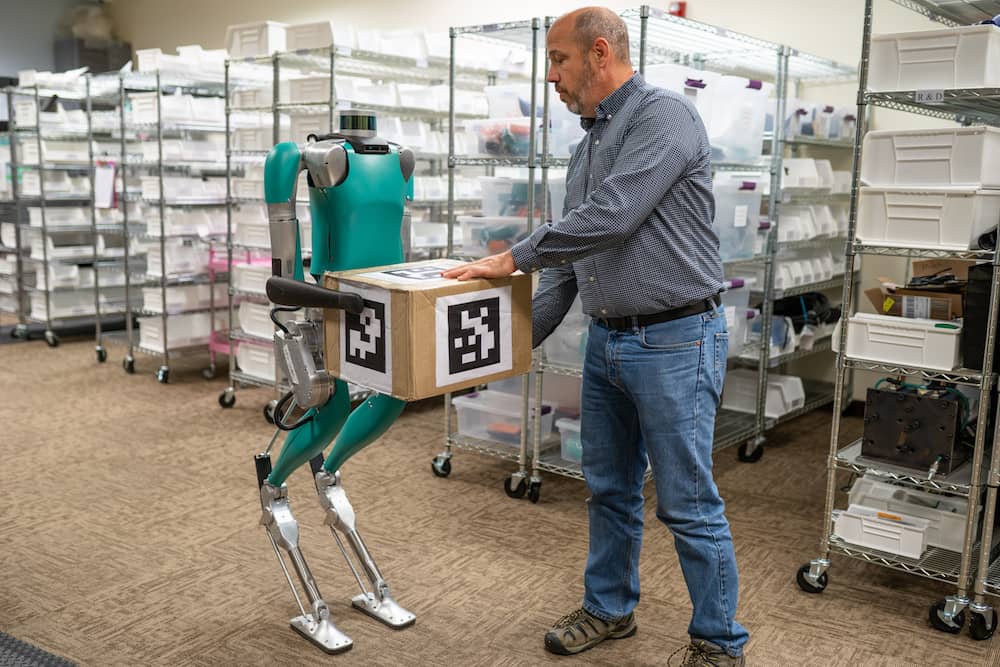
While humanoid robots have made impressive strides in recent years, they’re still far from being mainstream.
We’re seeing prototypes and early-stage models being tested in controlled environments, but it will likely take another decade or more before humanoid robots are commonly found in everyday settings.
A quick YouTube search of “humanoid robot demonstration” brings some really fascinating results. I was surprised to see recent demonstrations of robots performing tasks such as putting away groceries, and also saw quite impressive walking, jogging and jumping activities being showcased.
A key barrier to their widespread adoption might be cost. The technology behind humanoid robots is sophisticated and expensive. From sensors to AI processing units, the components that make humanoid robots functional are costly, and manufacturers will need to find ways to lower these costs in order to make robots accessible for large-scale use.
There are also challenges related to safety and reliability. For example, ensuring that robots can navigate complex human environments without causing harm or damage is essential for their success.
Additionally, their AI systems need to be extremely advanced to ensure they can understand context, emotions, and adapt to dynamic situations, something that apparently remains a work in progress.
The Positive Impact of Humanoid Robots
One of the most obvious advantages is their ability to perform tasks that are dangerous or physically demanding for humans. In industries like construction, disaster relief, or mining, robots could take on hazardous duties, reducing workplace injuries and fatalities.
Humanoid robots also have the potential to transform healthcare. With an aging global population, the demand for healthcare workers will continue to rise. Humanoid robots could step in to help alleviate some of this strain by assisting with caregiving, medication delivery, and even rehabilitation exercises.
The Negative Impact of Humanoid Robots
The rise of humanoid robots also raises significant concerns, particularly regarding employment and privacy. As robots become more capable of performing complex tasks, there’s a real fear that jobs currently held by humans will be replaced. Industries like manufacturing, retail, and customer service could see significant job displacement, potentially leading to widespread unemployment and economic inequality. Privacy concerns include intrusive data collection, which we’re already dealing with today.
Another major concern is the potential loss of human connection. Over-reliance on robots for social engagement could lead to greater social isolation and a reduction in meaningful human relationships.

Final Thoughts
Humanoid robots are expected to bring about profound changes in society.
They promise to revolutionize industries, improve our quality of life, and alleviate pressures on human workers.
While the integration of humanoid robots into our daily lives is still a few years away, the decisions we make today about their development, deployment, and regulation will shape how they impact humanity in the future.
Do you find these developments interesting, terrifying, or a bit of both?
Let me know below, and thanks for reading!
Check out the Happy Hub Etsy Shop.
Please visit and follow Happy Hub’s Instagram page.
Check out the Happy Hub YouTube Channel.
Check out the printable e-Guide for Staying Young:

 Happy Hub