We often focus on the words we say, carefully crafting sentences for clarity or persuasion.
But as you’ve probably heard before, more than half of all communication is nonverbal. It’s how we sit, move, or make eye contact that often speaks louder than our voice.
Body language can project confidence or insecurity, openness or resistance, even if our words say the opposite.
Our body is constantly sending messages. So, what is it really saying about us?
And more importantly, can we change it? Let’s discuss.
What Our Body Language Reveals
Let’s break down some common body language cues and what they tend to signal:
Posture
Slouched shoulders, crossed arms: May signal disinterest, insecurity, or defensiveness.
Straight spine, relaxed stance: Suggests confidence, engagement, and presence.
Eye Contact
Avoiding eye contact: Can come off as nervous, dishonest, or distracted.
Too much eye contact: May feel intense or even aggressive.
Balanced, natural eye contact: Builds trust, shows attentiveness and connection.
Gestures
Fidgeting, touching face or hair often: Indicates anxiety or discomfort.
Open hand gestures: Demonstrates honesty, approachability, and control.
Facial Expressions
Flat or mismatched expressions: Can make you seem disinterested or insincere.
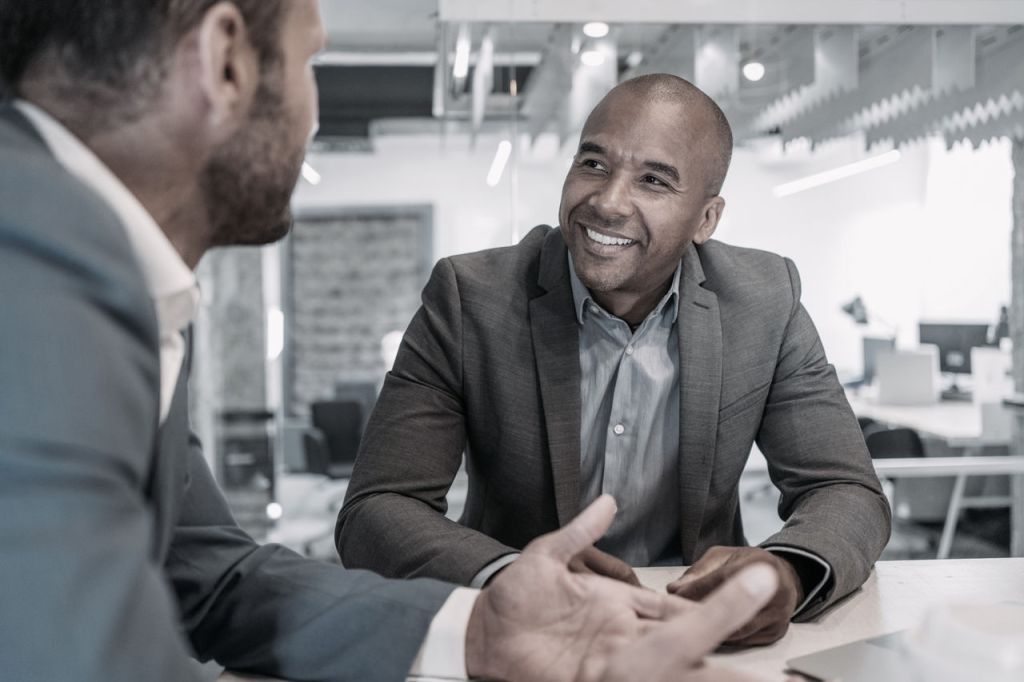
Genuine smiles, reactive expressions: Shows warmth, empathy, and confidence.
Proximity and Space
Standing too close: Might feel intrusive or aggressive.
Standing too far away: Can seem distant or uninterested.
Respecting personal space: Creates comfort and trust.
How to Improve Your Body Language
Start with Self-Awareness
Notice your body in different settings. Do you hunch your shoulders during meetings? Do your arms cross when you’re uncomfortable? Recognizing your habits is the first step toward changing them.
Practice Open Posture
Stand or sit with your chest slightly forward, shoulders relaxed but back. Keep your hands visible. This creates a confident and open appearance, and you’ll even feel more confident too.
Mirror (But Don’t Mimic)
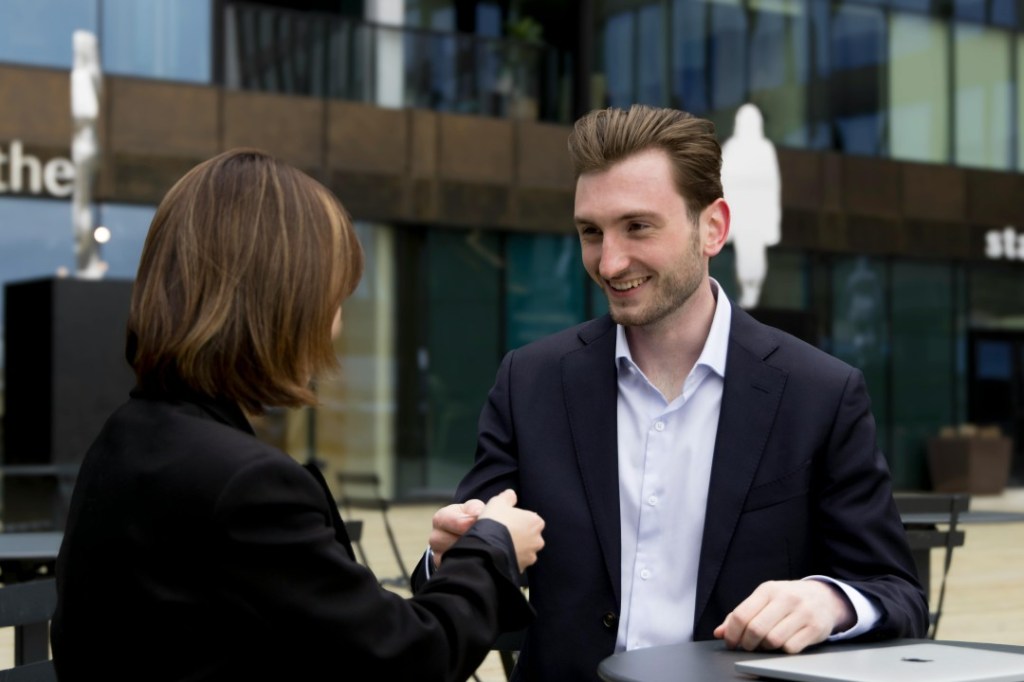
Subtly mirroring the body language of someone you’re speaking to can increase rapport.
We often do this subconsciously or naturally, but some of us are better at it than others. Just keep it natural because too much mirroring can probably come across as a bit weird!
Use Your Eyes Wisely
If you struggle with this, practice maintaining eye contact for a few seconds at a time, then glance away briefly before returning. Think of it like a dance, not a stare-down.
Slow Down
Fast movements like talking with our hands too quickly, or shifting our weight constantly, can make us seem anxious. Slow, deliberate motions signal calmness and control.
Smile
People are drawn to warmth. A real smile can disarm tension and invite connection. You don’t have to smile all the time, just when it’s authentic.
Final Thoughts
Next time you walk into a room, remember… you don’t have to say a word to make an impression. Your body is already talking.
But I think improving our body language isn’t about faking confidence or manipulating others.
It’s about aligning our outer presence with our inner intentions. When we move through the world with awareness and openness, people pick up on it. They listen more, trust more, and respond more positively.
What do you think? Please leave me a comment, and thanks for reading!
Visit the Happy Hub Etsy Shop.
Please visit and follow Happy Hub’s Instagram page.
Check out the Happy Hub YouTube Channel.
 Happy Hub
Body language is indeed important. This is good information and advice.
LikeLiked by 2 people
Thanks, appreciate that.
LikeLiked by 1 person