We like to believe the best about ourselves.
That humans are inherently good. That, given the chance, we’ll choose kindness, fairness, and empathy.
And while those capacities certainly exist in us, they don’t tell the whole story.
We also carry within us a darker side.
History, psychology, and our daily lives bear witness to it: the tendency toward greed, tribalism, cruelty, manipulation, and apathy.
We’re capable of turning a blind eye to suffering. We get angry, selfish, envious. Under stress or fear, we often regress into survival mode. And in groups, we can become even worse, especially when we dehumanize others or get caught in ideological battles.
This isn’t about being pessimistic. It’s about being honest.
Facing Our Dark Side, Choosing the Light
The First Step: Self-Honesty
If we want to make the world a genuinely better place, we need to stop pretending the darkness isn’t there. And improving the world starts with recognizing what’s inside each of us.
It’s easy to point fingers at corrupt politicians, ruthless CEOs, or violent extremists. But a harder, yet more useful thing to do is look in the mirror and ask ourselves a few uncomfortable questions:
- When have I acted out of fear or resentment?
- When have I looked away from suffering because it was inconvenient?
- What biases or judgments am I holding without realizing it?
The answers don’t make us bad, they make us human. But until we’re honest about our capacity for harm, we can’t truly choose a different path.

Why the Dark Side Exists
From an evolutionary standpoint, many “dark” traits served a purpose. Tribalism kept early humans bonded and safe. Aggression could protect against threats. Greed helped some of us survive in environments of scarcity.
But what once helped us survive can now destroy us.
It’s like we’re still running ancient emotional software in a modern system. And unless we consciously update it, the same instincts that once protected us, could lead us down a very dark path.
So, What Can We Actually Do?
From a societal standpoint, we could create systems that start with the assumption that we’re not always our best selves. Instead of designing systems based on idealism, build ones that account for human flaws. That means:
- Checks and balances in power structures.
- Transparency and accountability in institutions.
- Education systems that teach critical thinking, emotional regulation, and empathy.
I think this could be a start to getting us back on track.
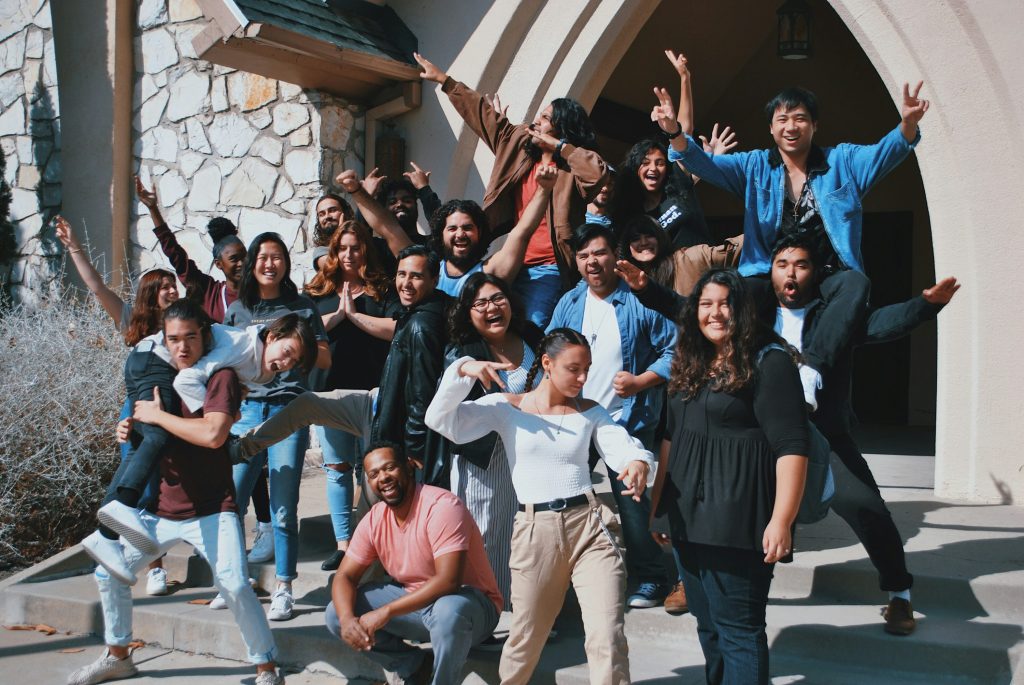
From a personal standpoint, I think it means thinking more unselfishly and not judging others. Beneath it all, we have far more in common than we think.
Final Thoughts
We’ll probably never create a perfect world.
But couldn’t we at least create a better one than what we’ve seen take shape over the past couple of decades?
Sorry I don’t have a rosy conclusion for this one, but I believe trying to think positively about the future can be a good start.
I truly believe that most people are good at heart. It feels like, more often than not, we just need to get out of our own way. And maybe, for now, the best we can do is take small, meaningful steps in our own lives.
What do you think? Please tell me below, and thanks for reading!
Check out the Happy Hub Etsy Shop.
Please visit and follow Happy Hub’s Instagram page.
Check out the Happy Hub YouTube Channel.

 Happy Hub