By understanding the biological and psychological aspects of aging, we can equip ourselves to adopt strategies that promote vitality and well-being throughout our lives.
Rather than a single isolated event, aging is a gradual process marked by a decline in physical and mental function, a higher risk of disease, and the buildup of cellular damage over time.
Although certain aspects of aging are unavoidable, adopting a well-rounded, health-conscious lifestyle can play a key role in supporting healthy aging and extending lifespan.
Let’s discuss.
Understanding Aging
The Science of Aging
Aging is a complex biological process characterized by the gradual decline in the functional capacity of cells, tissues, and organs.
While aging is universally experienced, the rate and manner in which it occurs can vary significantly from person to person. To better understand aging, we need to explore several key biological theories and processes:
Cellular Aging
One of the fundamental aspects of aging is cellular damage and repair. Over time, cells accumulate damage due to various factors.
Oxidative Stress: Free radicals can cause oxidative damage to cells. (Free radicals are unstable molecules generated by normal metabolic processes and environmental factors.) This damage contributes to aging and the development of age-related diseases. Antioxidants help neutralize free radicals, but their effectiveness diminishes with age.
DNA Damage: Our DNA is constantly exposed to environmental attacks, such as UV radiation and pollutants, which can cause mutations. While cells have repair mechanisms, these processes become less efficient with age, leading to the accumulation of genetic damage.
Systemic Aging
Beyond cellular aging, systemic changes occur in our organs and systems:
Cardiovascular System: With age, arteries become stiffer, and the heart’s ability to pump blood efficiently diminishes. This can lead to increased blood pressure and a higher risk of cardiovascular diseases.
Musculoskeletal System: Muscle mass and bone density decrease with age, resulting in reduced strength and increased susceptibility to fractures. This is partly due to hormonal changes and decreased physical activity.
Immune System: The immune system’s ability to respond to infections and cancer decreases with age, a phenomenon known as immunosenescence. This makes older adults more vulnerable to illnesses.
The Role of Genetics and Environment
Genetics plays a significant role in determining how we age, influencing factors such as longevity and susceptibility to age-related diseases. However, environmental factors, including diet, lifestyle, and exposure to toxins, also have a profound impact on the aging process.
For example:
Diet and Nutrition: A diet rich in antioxidants, vitamins, and minerals can help mitigate oxidative stress and support overall health. Conversely, a poor diet can accelerate aging and increase the risk of chronic diseases.
Physical Activity: Regular exercise promotes cardiovascular health, maintains muscle mass, and supports cognitive function. Physical inactivity can worsen age-related declines in these areas.
Exposure to Toxins: Environmental pollutants, smoking, and excessive alcohol consumption can accelerate aging and contribute to various health issues. Reducing exposure to these toxins can help slow the aging process.

Psychological Aspects of Aging
Our psychological perception of aging can significantly influence how we experience the aging process. This includes our mindset, attitudes, and societal attitudes toward aging.
The Impact of Mindset
Research has shown that our beliefs about aging can affect our actual experience of it. For example, people that view aging positively tend to have better health outcomes and a greater sense of well-being compared to those who perceive aging negatively. Positive attitudes toward aging can:
Enhance Resilience: A positive mindset can increase resilience and adaptability, helping individuals cope better with age-related challenges.
Improve Health Behaviours: Those who view aging positively are more likely to engage in healthy behaviours, such as regular exercise and healthy eating, which contribute to a higher quality of life.
Boost Longevity: Studies have found a correlation between positive attitudes toward aging and increased longevity. This suggests that our psychological outlook can have a real impact on how long and how well we live.
Societal Attitudes Toward Aging
Societal attitudes toward aging can also shape our individual experiences. In many cultures, aging is associated with decline, weakness, and obsolescence. These perceptions can contribute to ageism, which is the discrimination or stereotyping of individuals based on their age.
Ageism and Self-Perception: Experiencing ageism can negatively impact self-esteem and mental health. Internalizing these societal attitudes may lead to a diminished sense of self-worth and decreased motivation to engage in activities that promote well-being.
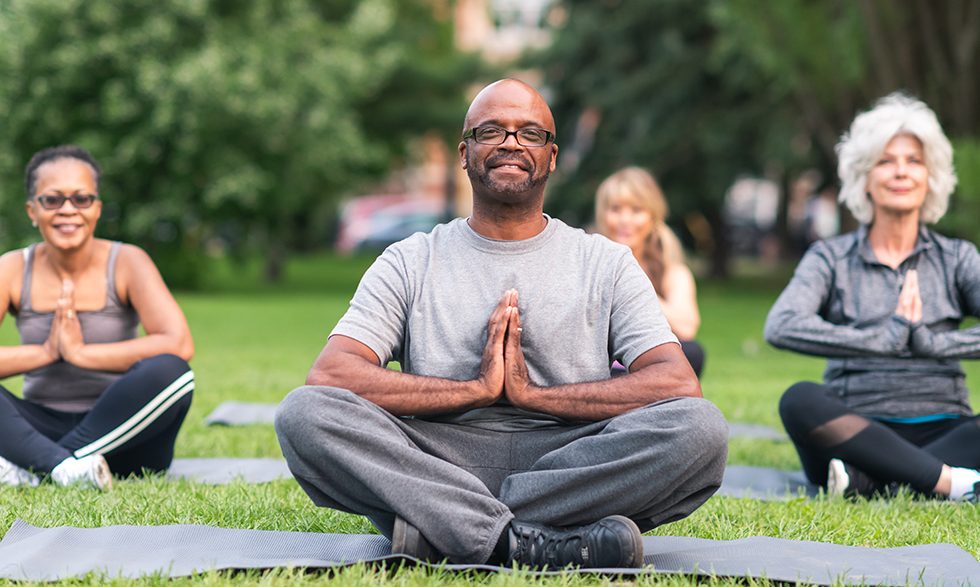
Challenging Stereotypes: Embracing a more positive and empowering view of aging can help fight ageism. This includes recognizing and celebrating the strengths and contributions of older adults.
Final Thoughts
Understanding the science and psychology of aging provides a foundation for making informed decisions about how to age gracefully and maintain vitality.
By recognizing the biological processes that drive aging and the impact of our mindset and societal attitudes, we can take proactive steps to promote health and well-being throughout our lives.
Please comment or follow the links, thanks for reading.
Embracing Time: Alleviate the Fear of Aging
Check out the Happy Hub Etsy Shop.
Please visit and follow Happy Hub’s Instagram page.
Check out the Happy Hub YouTube Channel.
 Happy Hub
Really great information. I think understanding all this helps us live accordingly even when we’re younger so we have fewer issues as we age.
LikeLiked by 1 person
Thanks as always, yes exactly. Why not try to prevent as many problems down the road as possible, especially if there are easy enough habits to incorporate now… And understanding the scientific reasons for aging is just something most of us are not taught, it’s so good to know the details of why and how we can help our own aging process. thanks 🙂
LikeLiked by 1 person
Yes, people sort of cringe away from the topic of aging but the truth is being open and honest about it is really helpful. You’re most welcome 🙂
LikeLiked by 1 person
This is an excellent and insightful exploration of aging! 🌟
I really appreciate how you’ve combined both the biological and psychological perspectives, making the topic comprehensive yet accessible. The clear breakdown of cellular and systemic aging, along with the emphasis on lifestyle, genetics, and environment, provides practical understanding for readers looking to support healthy aging.
I especially value the inclusion of mindset and psychological factors, highlighting that how we perceive aging can influence our well-being just as much as physical habits. Truly informative and thoughtfully presented! 🧬💛
LikeLiked by 1 person
I really appreciate that, thank you.
LikeLiked by 1 person