For years, scientists believed the brain stopped changing after childhood.
We now know that’s not true. Thanks to neuroplasticity, the brain has a remarkable ability to adapt, change, and grow throughout our lives.
This discovery has transformed how we understand learning, recovery, mental health, and even personal growth.
Neuroplasticity: How Your Brain Can Rewire Itself
What Is Neuroplasticity?
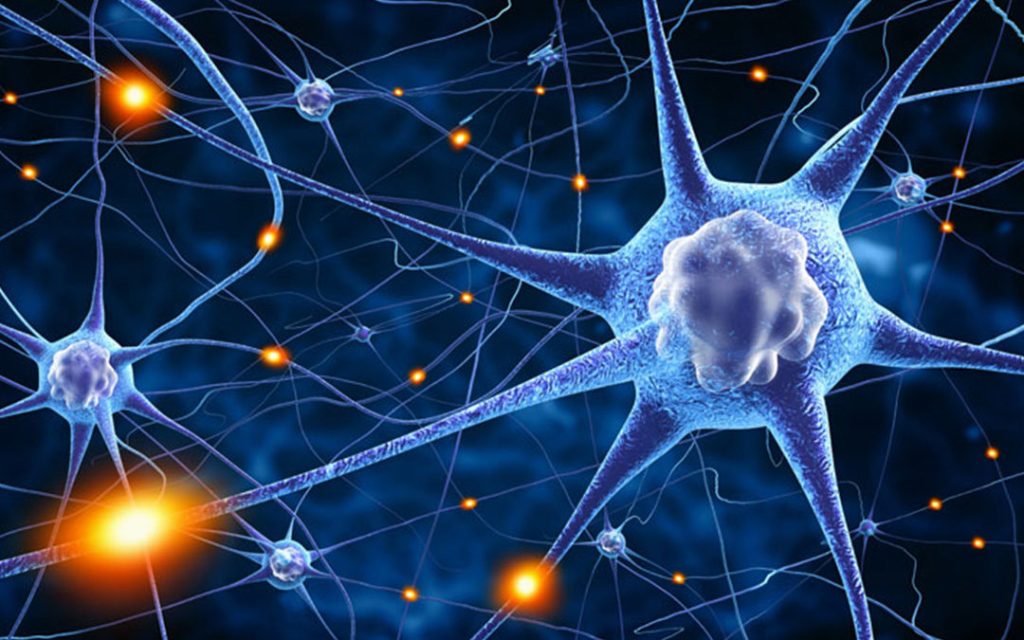
Neuroplasticity is the brain’s ability to reorganize itself by forming new neural connections.
It means your brain isn’t hardwired, it’s dynamic and flexible, able to adapt to experiences, environment, and even injuries.
There are two main types:
Structural plasticity: Changes in the brain’s physical structure, such as the growth of new neurons or connections.
Functional plasticity: The brain’s ability to shift functions from damaged areas to healthy ones.
This adaptability plays a key role in learning, memory, and recovery from trauma or neurological conditions.
Why Neuroplasticity Matters
Understanding neuroplasticity opens the door to real, lasting change. Here’s how it can benefit us in everyday life:
Recovery from Injury or Stroke
After brain injuries or strokes, patients can often regain lost abilities through targeted therapy. The brain learns to reroute functions to undamaged areas, improving mobility, speech, or cognition.
Mental Health and Emotional Healing
Therapies like Cognitive Behavioural Therapy (CBT) work by changing thought patterns. Over time, these shifts reshape brain circuitry, helping treat anxiety, depression, PTSD, and more.
Lifelong Learning
Because the brain remains adaptable, we can continue learning new skills, languages, or hobbies at any age. The more we challenge ourselves, the more the brain strengthens and grows.
Breaking Bad Habits
Habits form through repeated neural activity. Neuroplasticity means we can build new pathways, replacing unhelpful behaviours with healthier ones, given enough time and practice.
Slowing Cognitive Decline
Staying mentally active through reading, puzzles, or social engagement helps maintain brain flexibility, potentially delaying age-related decline.
How to Boost Your Brain’s Plasticity
You don’t need high-tech tools to take advantage of neuroplasticity.
Simple, consistent habits can help:
Learn something new: A language, instrument, or skill.
Exercise regularly: Physical activity increases what is called brain-derived neurotrophic factor (BDNF), which supports brain health.
Practice mindfulness: Meditation can thicken brain regions linked to focus and emotional control.
Sleep well: Rest consolidates learning and memory.
Stay socially connected: Conversations and relationships stimulate the brain.
Exciting Advances in Neuroplasticity
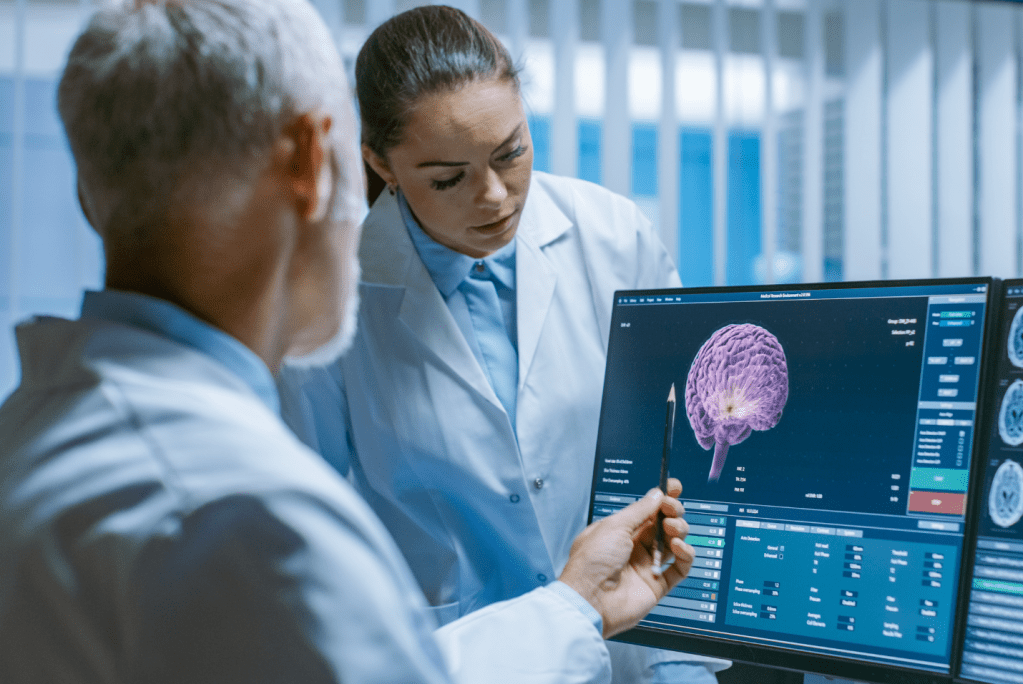
Neuroscience is exploring new ways to harness plasticity, with promising breakthroughs:
Psychedelic-Assisted Therapy
Substances like psilocybin and MDMA, in clinical settings, may promote rapid brain rewiring. When paired with therapy, they’re showing potential for treating PTSD, addiction, and depression.
Neurofeedback and Brain-Computer Interfaces
These technologies help people monitor and train brain activity in real time, offering new treatments for ADHD, anxiety, and other conditions.
Adult Neurogenesis
Once thought impossible, studies now show that adults can grow new neurons, especially in the hippocampus, a region tied to learning and memory.
Meditation and Brain Structure
MRI scans reveal that long-term meditators have increased gray matter in areas linked to attention, empathy, and emotional regulation.

Final Thoughts
The discovery of neuroplasticity has reshaped how we think about the brain, and ourselves.
It tells us we’re not stuck with the brain we were born with, or even the one we had last year. Through learning, effort, and experience, we can actively shape our minds.
Many years ago I was in a serious car accident, and one of the injuries I suffered was facial nerve damage.
I had numbness and facial asymmetry that lasted a few months, a condition called neuropraxia, a temporary injury to the nerve that recovers over time. Luckily my face mostly returned to normal, but now later in life I’ve notice that I still have minor asymmetry around my mouth and lips.
After researching, I was mildly surprised to discover that even decades later, the brain and body can relearn and rebalance movement. Apparently the results may not be dramatic, but small improvements in facial symmetry and control are possible.
I’ve recently started a simple, at-home facial muscle exercise plan designed to help restore balance, strength, and control to the affected side of my face, especially around the mouth and smile muscles.
The most fascinating aspect I found was that “mirror work” is essential, as visual feedback helps retrain the brain.
Wish me luck, I will try to provide an update in two or three months.
Thanks for reading!
Check out the Happy Hub Etsy Shop.

Please visit and follow Happy Hub’s Instagram page.
Check out the Happy Hub YouTube Channel.
 Happy Hub
Interesting read.
LikeLiked by 1 person
Thank you 🙂
LikeLiked by 1 person
You are welcome.
LikeLiked by 1 person