Losing weight is one of the most common health goals, but doing it in a healthy, lasting way can often be a challenge.
Fad diets and quick fixes may promise fast results, but true, sustainable weight loss comes from understanding how our bodies works and making small, consistent lifestyle changes that we can stick with long-term.
The Smart Way to Lose Weight
The Science Behind Weight Loss
At its core, weight loss happens when we consume fewer calories than our bodies use for energy, creating what’s called a calorie deficit.
When this happens, our bodies turn to stored fat for fuel, gradually leading to weight loss. But calories are just one part of the equation; understanding our metabolism and habits can make a big difference in how our bodies respond.
Understanding Your Metabolism
Metabolism is the process that converts the food we eat into energy. Everyone’s metabolism is slightly different, influenced by factors such as age, gender, muscle mass, and activity level.
While we can’t control all of these variables, we can support a healthy metabolism by staying active, building muscle through strength training, and eating balanced meals throughout the day.
Setting Realistic Goals
One of the most important steps in any weight loss journey is setting clear, realistic goals. Unrealistic expectations often lead to frustration and burnout, while achievable milestones keep us motivated.
Try setting both short-term goals, (like losing 2 pounds in a month or cooking more meals at home), and long-term goals,( such as maintaining your ideal weight for six months or completing a fitness challenge).
Short-term wins help us stay focused, while long-term goals remind us why we started.

Build a Foundation of Healthy Eating
A nutritious, balanced diet is the foundation of healthy weight loss. Instead of cutting out entire food groups or following extreme diets, focus on nourishing your body with foods that give you energy and satisfaction.
Eat a Balanced Diet
Include all three macronutrients:
Protein: Helps build and repair tissues while keeping you full longer. Good sources include lean meats, fish, eggs, beans, nuts, and dairy.
Healthy Fats: Support brain health and hormone function. Find them in avocados, olive oil, seeds, nuts, and fatty fish.
Complex Carbohydrates: Provide steady energy for daily activities. Choose whole grains, fruits, and vegetables over refined carbs.
Practice Portion Control
Pay attention to serving sizes to avoid overeating. Try using smaller plates or measuring food portions.
Stay Hydrated
Water supports digestion, metabolism, and appetite control. Aim to drink consistently throughout the day, sometimes what feels like hunger is actually thirst.
Eat Mindfully
Slow down, enjoy your meals, and listen to your body’s signals. Avoid eating out of boredom or stress, and savour each bite without distractions.
Limit Processed Foods
Minimize foods high in sugar, salt, and unhealthy fats. Instead, choose whole, unprocessed options that nourish your body and stabilize energy levels.
Exercise
Physical activity is a key part of successful weight loss. Regular exercise helps burn calories, boost metabolism, and it strengthens the heart and muscles. It’s also a powerful tool for improving mood and reducing stress.
We don’t need to spend hours at the gym, consistency matters more than intensity. Find activities you enjoy, whether it’s walking, dancing, cycling, or yoga, and make them part of your weekly routine.
Don’t Forget Sleep
Sleep is often overlooked, but it’s essential for weight management. Poor sleep disrupts hormones that regulate hunger and appetite, increasing cravings and lowering willpower. Aim for 7–9 hours of quality sleep each night to support your body’s recovery and energy levels.

Final Thoughts
Weight loss isn’t just physical, our mental and emotional health play a big role too.
Stress, lack of motivation, or emotional eating can all interfere with progress. Prioritize self-care, practice stress management techniques, and don’t be too hard on yourself when setbacks happen.
Losing weight and living a healthier life isn’t about perfection, it’s about progress.
By understanding how weight loss works, adopting balanced eating and exercise habits, and caring for our mental and emotional well-being, we can build a lifestyle that supports our goals for the long term.
What are your thoughts? Please comment or follow the links, thanks for reading!
Please visit and follow Happy Hub’s Instagram page.
Check out the Happy Hub YouTube Channel.
Check out the Happy Hub Etsy Shop.

Check out the Happy Hub Superfoods e-Guide:
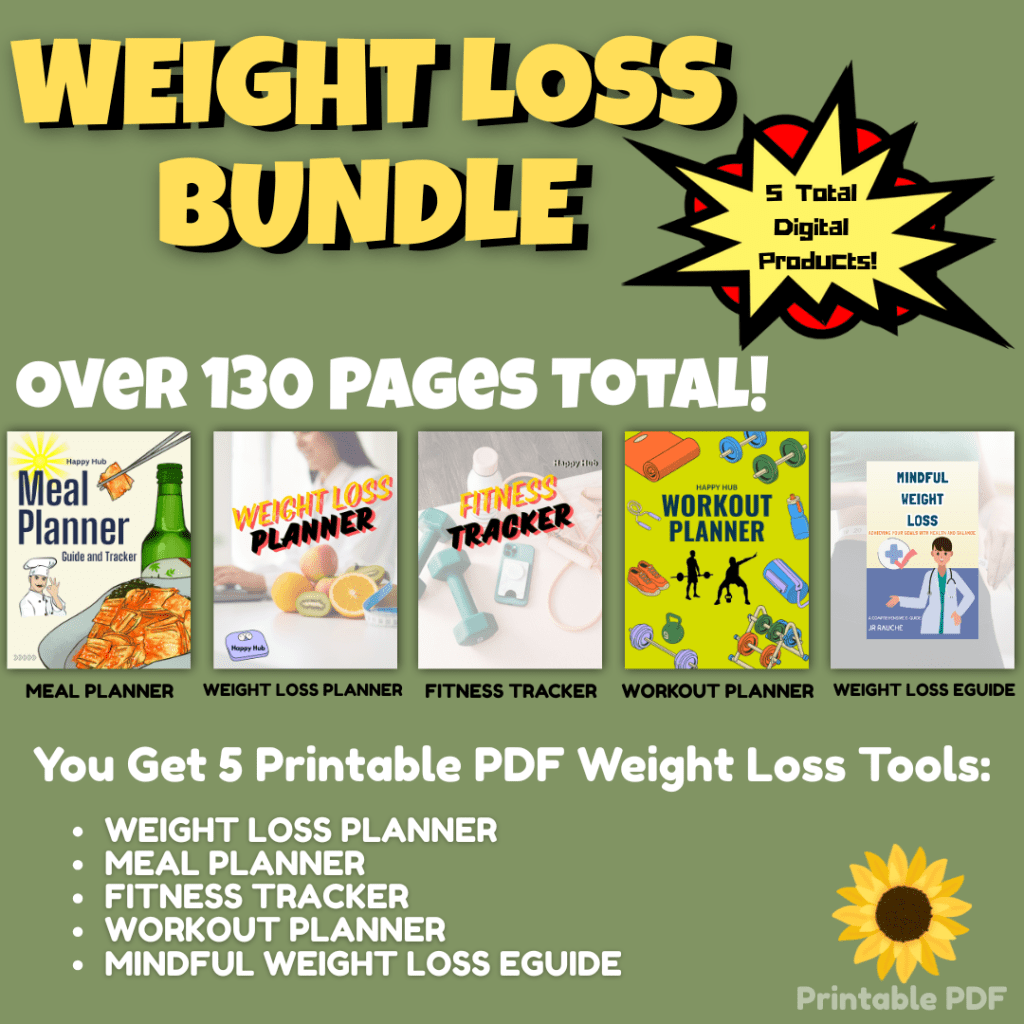
Check out the Happy Hub Weight Loss Bundle:
 Happy Hub