Positive psychology is a branch of traditional psychology that studies the conditions that contribute to the optimal functioning of people, groups, and institutions.
It highlights the need for us to shift our negative outlook to a more optimistic view to improve our quality of life.
The roots of positive psychology go back to the ancient Greeks and Aristotle’s concern with happiness, intellectual and moral virtues, and the good life.
Let’s talk about positive psychology.
What Is Positive Psychology?
What’s The Difference Between Regular Psychology And Positive Psychology?
Unlike traditional psychology that focuses more on the causes and symptoms of mental illnesses and emotional disturbances, positive psychology emphasizes traits, thought patterns, behaviours, and experiences that are forward-looking and can help improve the quality of a person’s daily life.
Positive psychology complements, rather than replaces, traditional psychology by fostering well-being in individuals through identifying and cultivating virtues and strengths, and creating a meaningful path forward towards valued living.
What Does Positive Psychology Argue?
Positive psychology’s main objective is to encourage people to discover and nurture their character strengths, rather than focusing their efforts into correcting shortcomings.
Who Is Known As The Father Of Positive Psychology?
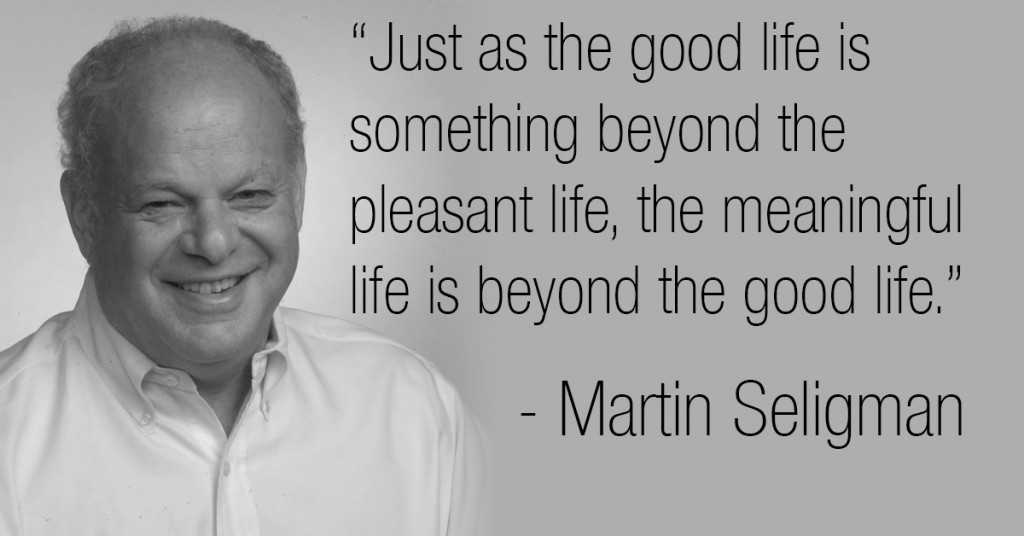
Martin Seligman is called the father of positive psychology and is known as a leading researcher in field of psychology in general.
What Is The Current State Of Positive Psychology?
Positive psychology has grown since Seligman brought it into the public conscious, surprising even Seligman himself.
The field has attracted hundreds of millions of dollars in research grants, and at its recent World Congress it was attended by 1,600 delegates from 70 countries.
What Is Meant By Positive Psychology?
Positive Psychology is the scientific study of human flourishing, and an applied approach to optimized functioning.
It’s also been defined as the study of the strengths and virtues that enable individuals, communities, and organizations to thrive.
What Are The Three Types Of Happiness?
Positive psychologists speak of three types of happiness.
There’s the pleasant life which is filled with positive emotions, the good life in which engagement at work and play makes time stand still so to speak, and the meaningful life in which a person uses character strengths in service to a larger effort.
What Is An Example Of Positive Psychology?
Positive psychology interventions that focus on compassion can be simple acts like buying someone a small token of appreciation or love, volunteering for a virtuous cause, donating something, or helping out a stranger in need.
Being kind toward others reinforces happiness and positivity.
What Is Positive Psychology In Daily Life?
Positive psychology proposes that a flourishing life involves a lot more than just the absence of problems.
By building solid relationships, cultivating positive emotions, recognizing accomplishments, and creating meaning in our lives, we can experience profound and lasting satisfaction.
How Do Positive Psychologists Treat Depression?
Positive psychologists offer a fresh approach and an alternative to how we deal with depression.
Rather than the traditional therapy approach of exploring what’s wrong with someone, positive psychology puts the focus on growing well-being with practices like learning optimism and cultivating positive emotions.
How Effective Is Positive Psychology?
Results have shown that positive psychology interventions significantly enhanced subjective and psychological well-being and reduced depressive symptoms.
Is Positive Psychology Healthy?
As discussed, positive psychology helps to foster happiness and emotional wellness.
It does this by helping people capitalize on their strengths, heighten their gratitude and awareness, connect to others, and develop the wisdom needed to live a more meaningful and fulfilling life.

How Is Positive Psychology Used In Therapy?
It focuses on supporting clients to use their inner resources to overcome challenges, understand and recognize areas of growth, and build resilience and a greater sense of wellbeing.
What Are The 3 Pillars Of Positive Psychology?
- Positive experiences.
- Positive traits.
- Positive social institutions.
Who Can Benefit From Positive Psychology?
Anybody that’s struggling in life and even those who are already living well, can put positive psychology into practice and receive the benefits.
What Are The Key Concepts Of Positive Psychology?
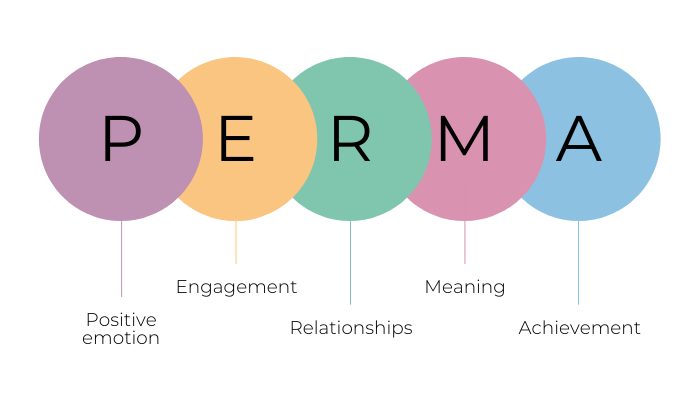
An important concept in positive psychology is that of PERMA, which are the five building blocks of resilience and wellbeing identified by Seligman: Positive emotions, Engagement, Relationships, Meaning and Accomplishment (or Achievement).
Why Is Flow State Important In Positive Psychology?
Flow, or engagement, has several benefits. It’s associated with increased happiness, higher intrinsic motivation, greater creativity, and better emotional regulation, among other positive effects.
How Do I Activate Flow State?
Here’s how to get into flow more often:
- Pick clear goals. Part of getting into a flow state means working on a task that has a specific outcome.
- Make the task challenging.
- Make it easy to focus.
- Take care of yourself.
- Turn off distractions.
- Create a pre-flow ritual.
- Get to know yourself.
What Is The Main Idea Of Positive Psychology?
As mentioned, positive psychology focuses on strengths rather than weaknesses and encourages individuals to set and work towards meaningful goals.
While we can’t choose our signature strengths, we can decide when to use them and how we can develop them. They’re vital because they make us feel like the genuine us.
Final Thoughts
Positive psychologists suggest a number of factors that contribute to happiness and well-being.
For those of us that regularly contemplate happiness and psychology as we do around here, the concepts sound familiar.
It’s the importance of social ties to family, friends, colleagues, and wider networks. It’s the membership in clubs or social organizations, getting enough physical exercise and the practice of meditation.
Since a large part of positive psychology is being able to understand and be aware of individual strengths, it’s important that we’re given opportunities to recognize our own and others’ positive qualities.
Recognizing our own strengths and those of people around us, can help us cope with hard times and thrive in good ones.
Thanks for reading, please comment or follow the links.
Sources and other reading:
Why Positive Thinking Is Important
What Is Emotional Intelligence?
Please also visit our YouTube channel.
Please visit and follow our Instagram page.
If you enjoy the free content, please consider donating to help support the site.
 Happy Hub
When I worked in mental health, I always used positive encouragement and positive reinforcement with my patients. The outcome is so much more satisfying.
LikeLiked by 1 person
That’s great, thanks for that. Makes so much sense.
LikeLike
Thanks for your in-depth information on Positive Psychology which you state is a part of traditional psychology. Your post is loaded with lots of interesting facts.
LikeLiked by 1 person
You’re welcome, thanks a lot for reading, and I really appreciate the kind comment.
LikeLiked by 1 person