As we progress through our lives, our lived experience teaches us valuable lessons that shape who we are and who we will become.
While some lessons can only be learned through time and experience, there are foundational truths that are best grasped early on.
Let’s discuss some essential life lessons that are best learned in our formative years, or at least as early as possible.
Life Lessons Best Learned Early
The Value of Kindness: Learning to treat others with respect and compassion not only strengthens relationships but also creates a positive environment. Acts of kindness can even ripple through communities, creating a sense of belonging and support.
Failure is a Part of Success: Early exposure to failure is vital for personal growth. It teaches resilience and the understanding that setbacks are not the end but rather steps to future success. Embracing failure as a learning opportunity encourages a growth mindset, helping us tackle challenges when they arise with confidence.
The Importance of Communication: Effective communication is a skill that can significantly impact relationships and career success. Learning to express thoughts and feelings clearly, while also being a good listener, contributes to healthy interactions. Early practice in communication helps build self-esteem and cultivates empathy and understanding.
Time Management: Understanding the value of time and how to manage it effectively is a lesson that pays dividends throughout life. Learning to prioritize tasks, set goals, and balance responsibilities is essential for academic success and later professional achievement. Developing good habits early can lead to a more organized and fulfilling life.
The Power of Gratitude: Cultivating an attitude of gratitude can transform our outlook on life. Seeing and appreciating the positive aspects of life can increase our happiness and cultivate future resilience. Teaching young people to express gratitude can enhance their relationships and improve their overall well-being.
Embrace Diversity: Early exposure to diverse environments and cultures helps individuals understand and value differences, creating a more empathetic mindset that benefits both individuals and society as a whole.
The Importance of Self-Care: Teaching the importance of self-care from a young age is a good thing. Learning to prioritize mental and physical health lays the foundation for a balanced life. Understanding the need for rest, relaxation, and self-reflection helps us navigate life’s challenges more effectively.
Setting Boundaries: Understanding personal boundaries is vital for healthy relationships. Learning to say no, express limits, and respect the boundaries of others can promote mutual respect. This skill helps us navigate various social situations with confidence.
Lifelong Learning: Seemingly more important than ever before, instilling a love for learning early on encourages curiosity and personal growth. Embracing knowledge as a lifelong pursuit opens doors to new experiences and opportunities.
Finding Balance: Life is about balance: between work and play, social life and solitude, ambition and contentment. Teaching the importance of balance early on helps us manage stress and enjoy a more fulfilling life. Learning to find equilibrium in various aspects of life is a valuable skill that can lead to long-term happiness.
Some Other Important Life Lessons:
- There’s no shame in not knowing.
- Perspective is a beautiful thing.
- Your comfort zone is your enemy.
- Money will never solve your real problems.
- You can’t please everyone.
- You don’t always get what you want.
- Starting is the only way to make progress.
(Source: http://www.lifehack.org)
Final Thoughts
Life lessons learned early can set the stage for a fulfilling and resilient future.
Unfortunately some lessons come later in life, but that’s ok, nobody picks up every lesson as early as they would’ve liked.
By instilling these fundamental truths in young minds, we prepare them to face challenges with grace, nurture relationships with kindness, and approach life with an open heart and mind.
One of the simplest yet most profound lessons is the importance of kindness.
Another one I find so important is the commitment to lifelong learning, which enhances adaptability in our ever-changing world. This can be done both through formal education or self-directed exploration which has become more accessible than ever before.
No matter our age, embracing these lessons not only enhances personal growth but also contributes to a more compassionate and understanding world.
What do you think? Please leave a comment, and thanks for reading.
**Update** I forgot to mention the importantance of developing critical thinking skills, which is self-explanatory, but so important today. When we’re younger we have a tendency to trust authority without question, while forming our own opinions and listening to our intuition is so obviously important. Let me know what else I missed or what you would add to the list!
Check out the Happy Hub Etsy Shop.
Please visit and follow Happy Hub’s Instagram page.
Check out the Happy Hub YouTube Channel.
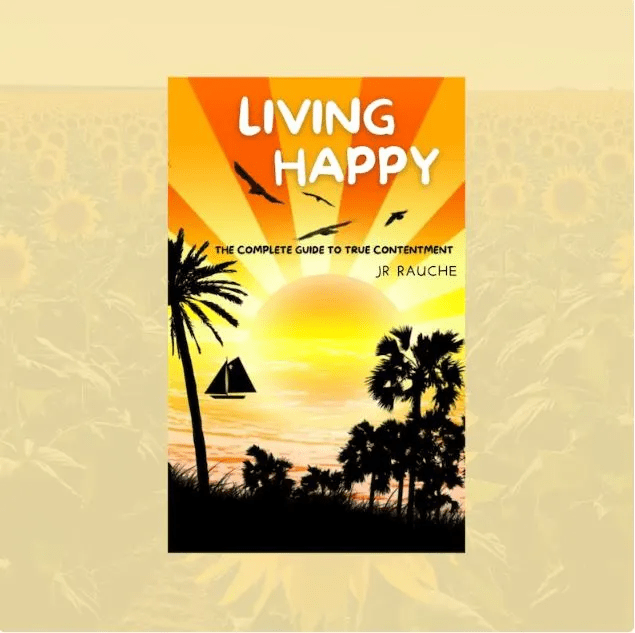
Check out my printable e-Guide Living Happy: The Complete Guide To True Contentment.
 Happy Hub
All important lessons but especially that second one. In life, we don’t always win but that doesn’t make you a loser. Failure leads to success because it helps us learn and grow. Without failure, we would never improve.
LikeLiked by 1 person
Thanks a lot, so true, I completely agree and didn’t always value that until more recently. 🙂
LikeLiked by 1 person
Yeah, I think we end up learning this later in life. It’s the same for me too 🙂
LikeLiked by 1 person