Betrayal is a deeply human experience that can leave profound scars.
Whether it’s a friend breaking a promise, a partner being unfaithful, or a colleague undermining your efforts, betrayal strikes at the core of our trust in others.
But what is it about betrayal that resonates so strongly with us? And how can we navigate the emotions that come with it?
Let’s discuss.
Betrayal: Impact and Lessons
The Anatomy of Betrayal
At its core, betrayal involves a violation of trust. Trust is foundational to all relationships, and it’s essential for our connections with others.
When someone we rely on acts against our expectations, it shatters that foundation. This can trigger a cascade of emotions including anger, sadness, confusion, and even guilt. Understanding these feelings is the first step in processing betrayal.
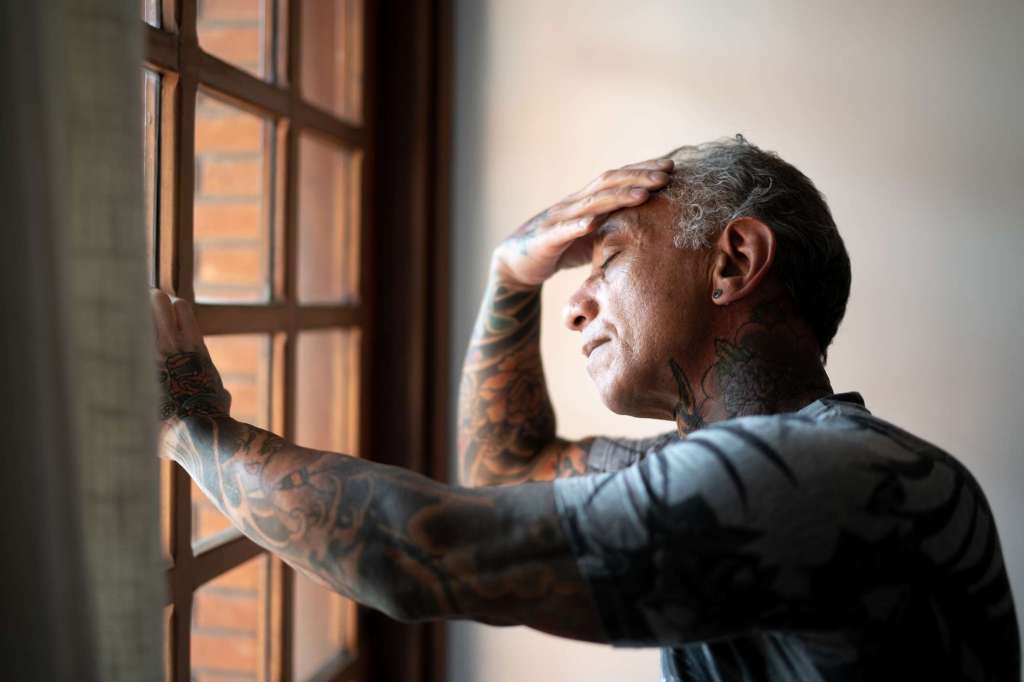
The Emotional Fallout
Shock and Disbelief: Initially, many people experience shock. How could someone they cared about act in such a way? This disbelief can be a protective mechanism, allowing us time to process what has happened.
Anger and Resentment: As reality sets in, anger often surfaces. This can be directed at the betrayer, but also at oneself for having trusted them in the first place. It’s important to acknowledge this anger rather than suppress it, as it can serve as a catalyst for healing.
Grief and Loss: Betrayal often feels like a loss. Not just of trust, but of the relationship itself. Grieving this loss is a natural response and important for moving forward.
Reflection and Growth: While painful, betrayal can also be a transformative experience for us. It forces us to re-evaluate our relationships, set healthier boundaries, and can give us a deeper understanding of ourselves and our needs.
Moving Forward
Navigating the aftermath of betrayal is challenging, but it is possible to emerge stronger. Here are some strategies for healing:
Acknowledge Your Feelings: Allow yourself to feel the full range of emotions that come with betrayal. Journaling about it or talking to a trusted friend can help process these feelings.
Seek Closure: Sometimes, understanding why the betrayal occurred can provide clarity. This may involve having a difficult conversation with the person who betrayed you.
Rebuild Trust: If you choose to continue the relationship, it will take time and effort to rebuild trust. This requires open communication and consistent actions that demonstrate reliability.
Focus on Self-Care: Engage in activities that nurture your mental and emotional well-being. This could be anything from exercise to meditation or spending time with loved ones. Betrayal can shake our confidence and make us question our self-worth. Recognize that your value as a person doesn’t depend on the actions of others.

Final Thoughts
Yes it would be nice if we could live in a world where we could just trust people blindly and without reservation, but if you’ve ever done that in the past and lived to tell the tale…how did that work out for you?
Sometimes, the impact of betrayal can be overwhelming. Personally speaking, I have experienced some of this but not to the extent I’ve witnessed happen to others.
I feel the level of betrayal we feel is partly on us sometimes and I include myself in that group. We have to take responsibility for the people we’ve chosen to trust, or at least the level of expectations we have of others.
While betrayal can be one of life’s most painful experiences, it can also serve as a powerful teacher.
If you’ve experienced betrayal in a romantic relationship, you may have a newfound appreciation for obvious “red flags”. Over time with reflection, you might find that you may or may not have contributed to the relationship’s demise. In my case, let’s just say a bit of both.
Betrayal highlights the importance of trust and communication in relationships and reminds us of our own resilience. We can emerge from betrayal with a deeper understanding of ourselves and the kind of relationships we truly value.
In the end, betrayal is not just about the act itself but how we choose to respond. It’s a chance to re-examine our values, strengthen our boundaries, and create deeper connections, ones built on mutual respect and trust.
While some of the scars may remain, they can become markers on our journey toward healing and personal growth.
Have you ever found yourself healing from a betrayal? What helped you get past it and move on?
Please comment below, and thank you for reading.
Visit the Happy Hub Etsy Shop.
Please visit and follow Happy Hub’s Instagram page.
Check out the Happy Hub YouTube Channel.
 Happy Hub
I completely agree with you and I’ve been betrayed by some of the closest people to me in my life. It’s devastating.
LikeLiked by 2 people
Thanks for your comment, and I’m very sorry to hear that. People can be so selfish and it’s hard not to take it deeply personally; each situation is unique, I hope you worked through yours ok.
LikeLiked by 1 person
I did I realized that boundaries and limiting access to me is the only way.
LikeLiked by 1 person
That’s good, ya we have to protect ourselves however we can, don’t we. Thanks.
LikeLike
Really great post. I think the most important thing (at least in my experience) is time. Time really does heal a lot of wounds.
LikeLiked by 1 person
Thanks a lot, ya I agree, we can gain a different perspective as we also change with time.
LikeLiked by 1 person
My pleasure and yes absolutely.
LikeLiked by 1 person