In recent years, remote working has evolved from a growing trend to a mainstream work model.
What once seemed like an occasional option for a select few has become a global norm, accelerated by technological advancements and shifting workplace cultures.
Let’s explore the various remote work options, their benefits, challenges, and how both employees and employers can make the most of this flexible work model.
Embracing Remote Work
Types of Remote Working Options
Full-Time Remote Jobs
Full-time remote work means employees are not required to commute to an office and can perform their work entirely from home. Many companies now offer full-time remote positions. The benefit is complete flexibility over your workspace, which can improve productivity and reduce stress from daily commuting.
Hybrid Work Model
The hybrid model blends both remote and in-office work. Employees are expected to work a certain number of days from home and the rest in the office. This model appeals to those who crave flexibility but still value in-person collaboration or need access to office resources.
Freelancing and Contract Work
Many professionals now choose to work as freelancers, offering specialized services to multiple clients rather than being tied to one employer. Freelancers enjoy the ultimate flexibility of deciding when and where to work.
Temporary Remote Work
Some businesses offer remote work as a temporary solution to a specific project or situation. For example, an employee may be allowed to work remotely for a few weeks or months during a particular phase of a project.
Benefits of Remote Working
Increased Flexibility
Remote work may allow employees to set their own schedules, within reason. This increased autonomy can help employees achieve a better work-life balance, which can boost overall well-being. Parents, caregivers, or those with other personal commitments particularly benefit from flexible hours.
Cost Savings
Employees save on commuting costs, lunch expenses, and professional wardrobe needs. For companies, the savings can be even greater. Without the need for physical office space, utilities, and other operational costs, businesses can reduce overhead and re-invest those savings in innovation or employee development.
Access to a Global Talent Pool
Remote work enables businesses to hire from a much wider talent pool, no longer limited by geographical location. This increases the likelihood of finding candidates with specialized skills who are the perfect fit for the job, without the constraint of location-based hiring.
Improved Productivity and Performance
Studies have shown that remote workers are often more productive, as they can design their work environment to suit their preferences. Without office distractions, many people find they can focus better and get more done in less time. The elimination of a daily commute may also give employees more time to devote to their work.
Sustainability
Remote working is also more eco-friendly. With fewer people commuting, there’s a reduction in greenhouse gas emissions, less traffic congestion, and fewer resources consumed. This aligns with many companies’ goals to reduce their carbon footprint and contribute to sustainability efforts.

Challenges of Remote Work
Isolation and Loneliness
One of the major drawbacks of remote work is the feeling of isolation. Without the social interaction of a physical office, employees can feel disconnected from their colleagues and company culture. This can lead to feelings of loneliness, which can affect mental health and productivity.
Communication and Collaboration Hurdles
While technology offers many tools to help remote teams communicate and collaborate, it can still be challenging to maintain the same level of cohesion as in-person teams. Miscommunication, technical issues, and time zone differences can become concerns.
Work-Life Balance Blurring
When your home becomes your office, it can be hard to separate work from personal life. Many remote workers find themselves working longer hours, unable to “switch off” from their tasks. Setting clear boundaries is essential to avoid burnout.
Distractions at Home
Working from home can introduce distractions like kids, pets, household chores, or noisy neighbours. Finding a quiet, dedicated space to work becomes critical for productivity. For many people, this can be a struggle if their living situation is not great for a home office.
How to Make the Most of Remote Working
Set Up a Dedicated Workspace
To maximize productivity, it’s important to have a designated workspace. This helps to create a physical boundary between work and home life.
Stay Connected
To combat isolation, make an effort to engage with co-workers, both professionally and socially. Virtual team meetings, or informal chats can help maintain relationships and a sense of camaraderie.
Maintain a Routine
A consistent routine can help differentiate work from personal time. Set a schedule that works for you but stick to it. Starting and ending your day at the same time creates a sense of normalcy, even in the flexibility of remote work.

Final Thoughts
I was fortunate enough to work from home during the pandemic.
Somewhat surprisingly, I became more productive and found it easier to concentrate on my work without the typical distractions of an in-person workplace.
Unfortunately for me it wasn’t made permanent, and we were called back to the office three days per week which is my current situation. I am enjoying this hybrid model for now, and have to admit it’s nice to have some level of socialization. But the commuting and related costs, even with a hybrid model, makes it undesirable overall for me personally.
With the right strategies and tools in place, I think remote work can be a win-win for both employees and employers, enabling a future of work that is flexible, while still being productive.
What do you think, and what has been your experience with remote work?
Thanks for reading.
Visit the Happy Hub Etsy Shop.
Please visit and follow Happy Hub’s Instagram page.
Visit the Happy Hub YouTube Channel.
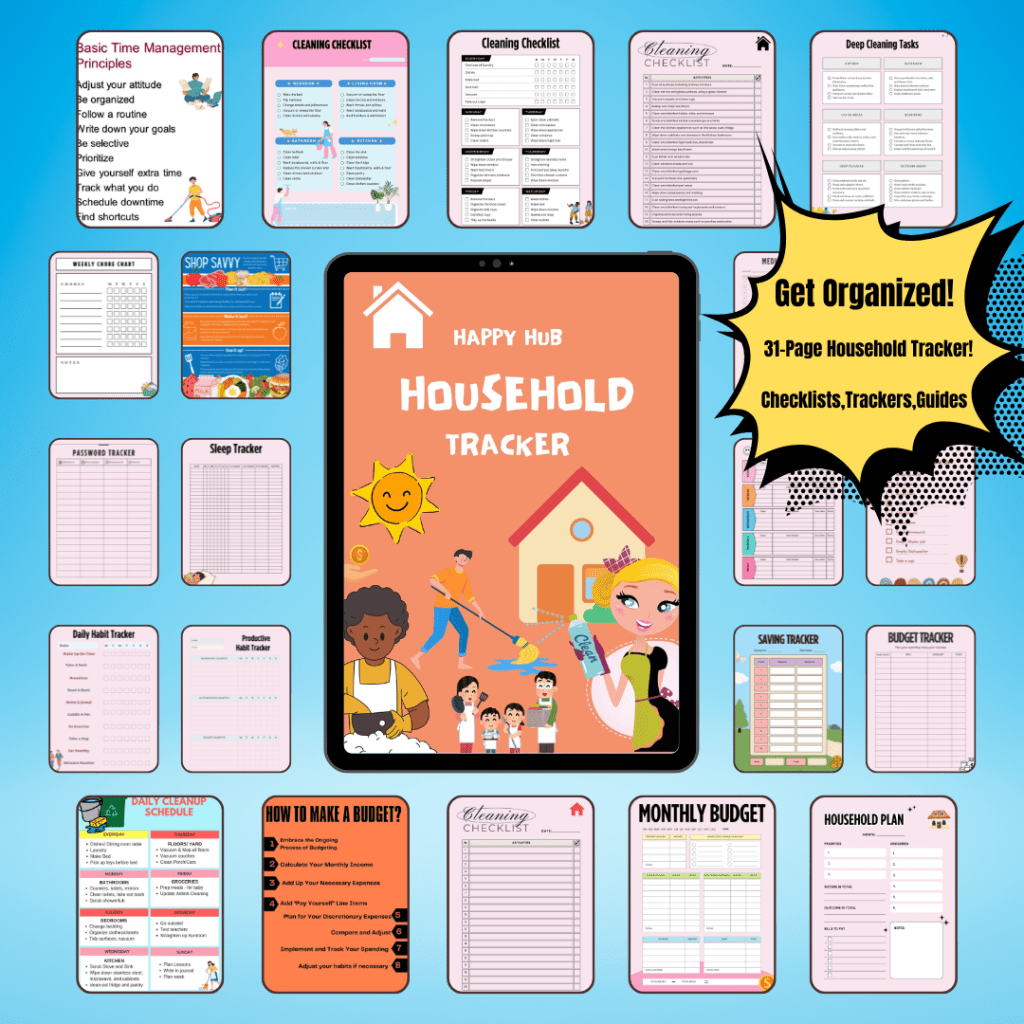
Check out the Happy Hub Household Tracker and Planner:
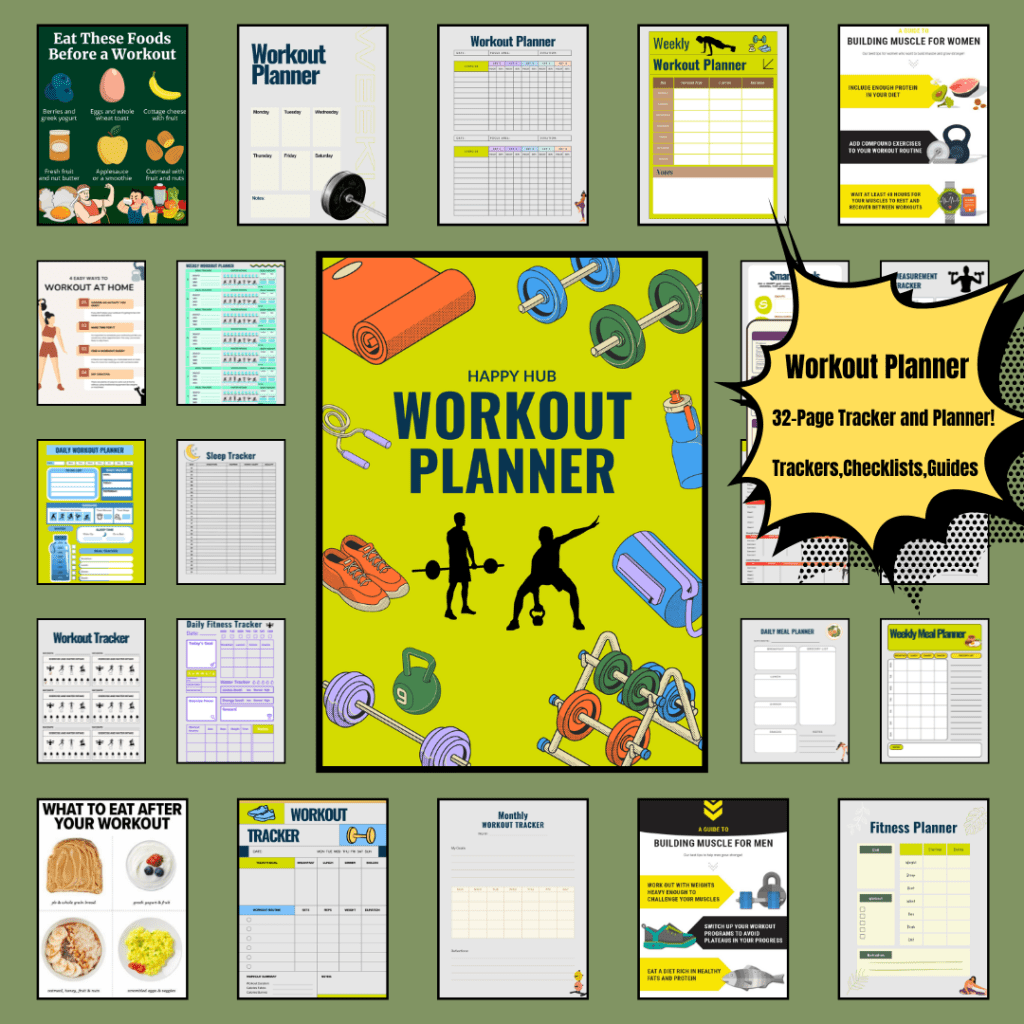
See our comprehensive Workout Planner:
 Happy Hub