Health and wellness products are everywhere these days, from supplements and superfoods to skincare and fitness gadgets.
And while the packaging might look trustworthy and the claims may sound impressive, many of these products use carefully crafted marketing language designed to sell, not inform.
Let’s break down some of the most common deceptive marketing terms in the health and wellness industry, why they’re misleading, and how to make more informed choices.
Deceptive Marketing in Health and Wellness
Deceptive Terms to Watch Out For
“Clinically Proven”
This phrase sounds scientific and reassuring, but it’s often used loosely.
A company might conduct one small, poorly designed study to support this claim. “Clinically proven” doesn’t always mean the product works well, or at all. It simply means some testing occurred, not necessarily that it passed with flying colours.
Tip: Look for citations or links to peer-reviewed studies from reputable journals. Don’t be afraid to Google the research yourself.
“Natural”
Who wouldn’t want something natural over something artificial?
But the truth is, the term “natural” is virtually meaningless in many regions. There’s often no strict regulation on what qualifies as “natural,” so a product could even contain synthetic chemicals and still use the label.
Tip: Check the ingredient list. Just because a label says “natural” doesn’t mean it’s free from harmful additives or preservatives.
“Detox”
This buzzword is everywhere as in detox teas, detox pills, or detox foot pads.
The problem? The human body already has a detox system: your liver and kidneys. Most products marketed for “detoxing” have no scientific backing and can sometimes do more harm than good.
Tip: If a product claims to “cleanse toxins,” ask: which toxins, and where’s the evidence? If they can’t answer that clearly, it’s potentially a gimmick.
“Boosts Metabolism”
Many weight-loss and fitness supplements claim to speed up your metabolism.
While certain ingredients like caffeine can have a mild effect, most products exaggerate this claim. Real metabolic boosts normally come from activities such as regular exercise and muscle-building.
Tip: Be skeptical of metabolism claims unless they’re backed by credible research.
“Immune Support”
Especially common during cold and flu season, this term is vague and often unregulated. Many vitamins and supplements throw it around without proving any real effect on your immune function.
Tip: A balanced diet, sleep, and stress management are far more effective for immune health than most “immune boosters.”
“Chemical-Free”
Here’s a fun fact: everything is made of chemicals, even water. This term is often used to stoke fear about synthetic ingredients, but it’s scientifically inaccurate and emotionally manipulative.
Tip: Instead of fearing all chemicals, focus on understanding which ones may be harmful based on science and not just marketing.
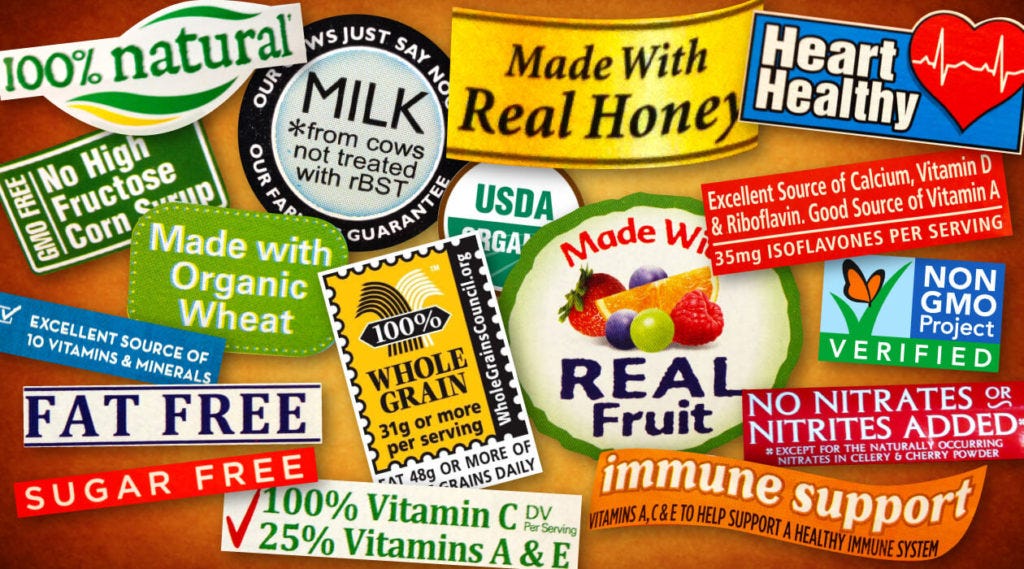
Tips for Seeing Through the Hype
Read the ingredient list: Don’t just rely on the marketing claims on the front of the label. Flip the product over and read the fine print.
Look for third-party testing: Especially for supplements, certifications from accredited organizations add credibility.
Watch for asterisks: Many products say things like “supports weight loss*” and bury the fine print that says “when used with diet and exercise.” The claim may sound stronger than it is.
Don’t confuse anecdote with evidence: Just because someone on social media swears a product changed their life doesn’t mean it will work for you…or that it works at all.
Check who’s funding the research: Studies funded by the company selling the product often have biased results. Independent studies carry more weight.

Final Thoughts
The health and wellness industry is booming, but not every product on the shelf has our best interests at heart.
Marketing teams are trained to use persuasive language that preys on our hopes and fears.
The best defense? Stay curious, question bold claims, and don’t buy into hype without evidence.
Let me know your thoughts below, and thanks for reading!
Please visit and follow Happy Hub’s Instagram page.
Check out the Happy Hub YouTube Channel.
Check out the Happy Hub Etsy Shop.

 Happy Hub
One thought on “Deceptive Marketing in Health and Wellness”