Acidity is a common digestive issue that many people experience at some point in their lives.
While occasional acidity might not be harmful, persistent symptoms can interfere with daily life and, in some cases, indicate underlying health concerns.
Let’s break down what acidity is, why it happens, potential dangers, and ways to manage it.
Understanding Acidity
What is Acidity?
Acidity, often referred to as acid reflux or heartburn, occurs when excess stomach acid flows back into the esophagus.
The esophagus is the tube that connects your throat to your stomach, and it isn’t designed to handle high levels of acid. This backflow causes a burning sensation in the chest or throat, bloating, belching, and sometimes nausea.
The main component of stomach acid is hydrochloric acid (HCl), which is essential for digesting food and killing harmful bacteria. However, when the balance is disturbed, it can lead to discomfort.
What Causes Acidity?
Several factors can trigger acidity:
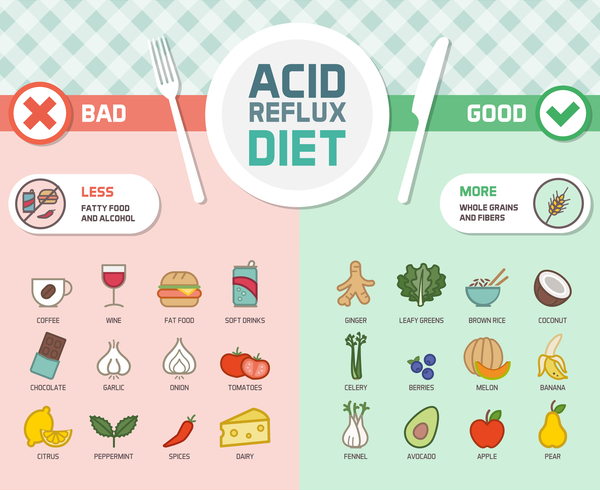
Dietary habits: Spicy, oily, or fried foods, caffeine, carbonated drinks, and acidic fruits like citrus can irritate the stomach.
Lifestyle factors: Smoking, alcohol consumption, and stress can increase acid production.
Medical conditions: Gastroesophageal reflux disease (GERD), peptic ulcers, and hiatal hernia are linked to frequent acidity.
Medications: Certain painkillers and antibiotics can upset the stomach lining.
Is Acidity Dangerous?
Occasional acidity is usually not serious. However, chronic acidity can lead to complications:
Esophagitis: Inflammation of the esophagus, causing pain and difficulty swallowing.
Ulcers: Open sores in the stomach or esophagus lining.
Barrett’s esophagus: A condition where the esophagus lining changes, increasing the risk of cancer.
If you experience persistent burning, difficulty swallowing, unexplained weight loss, or vomiting blood, it’s crucial to consult a healthcare professional.
How to Manage and Resolve Acidity
Dietary Adjustments
- Avoid trigger foods like fried, spicy, or acidic dishes.
- Eat smaller, frequent meals instead of large ones.
- Limit caffeine, alcohol, and carbonated drinks.
Lifestyle Changes
- Maintain a healthy weight, as excess weight puts pressure on the stomach.
- Avoid lying down immediately after eating, wait at least 2 or 3 hours.
- Elevate the head while sleeping to prevent night-time reflux.
- Manage stress through meditation, yoga, or deep breathing exercises.
Home Remedies
- Drinking a glass of warm water or chewing a few basil leaves can help neutralize acid.
- Ginger and fennel seeds are traditional remedies known to ease digestion.
Medical Treatments
- Over-the-counter antacids can provide quick relief by neutralizing stomach acid.
- H2 blockers or proton pump inhibitors (PPIs) reduce acid production in chronic cases.
- Always consult a doctor before starting long-term medication.

Final Thoughts
Acidity is a common condition that’s often manageable with diet, lifestyle adjustments, and proper medical care.
While occasional heartburn is usually harmless, persistent symptoms shouldn’t be ignored, as they can indicate a more serious condition.
By understanding the causes and remedies for acidity, we can take proactive steps to protect our digestive health.
Let me know what I missed, or comment if you’ve had experience dealing with acidity.
Thanks for reading!
What Can a Naturopath Help With?
Please visit and follow Happy Hub’s Instagram page.
Check out the Happy Hub YouTube Channel.
Check out the Happy Hub Etsy Shop.

 Happy Hub
One thought on “Understanding Acidity”