As we’ve often discussed here before, happiness is one of those universal human pursuits.
And while modern self-help books offer countless strategies, the world’s major religious traditions have been exploring the nature of happiness for thousands of years.
Their sacred texts don’t always define happiness as mere joy or pleasure, but often describe it as something deeper. Something often rooted in purpose, connection, or inner peace.
Let’s take a look at how several major holy books approach the idea of happiness, along with brief passages that capture their essence.
What Sacred Texts Say About Happiness
The Bible (Christianity)
In the Bible, happiness is often linked to blessedness: a state of spiritual well-being that comes from aligning with God’s will.
“Blessed are the pure in heart, for they shall see God.” (Matthew 5:8)
Rather than focusing on external success or comfort, the Bible emphasizes inner transformation, humility, and love. Happiness comes through faith, righteousness, and relationships grounded in compassion.
The Qur’an (Islam)
The Qur’an frames happiness as peace and contentment found in remembering God and righteous living.
“Verily, in the remembrance of Allah do hearts find rest.” (Qur’an 13:28)
True happiness (often understood as sakina, or tranquility) is not tied to material wealth but to spiritual awareness, gratitude, and trust in divine wisdom.

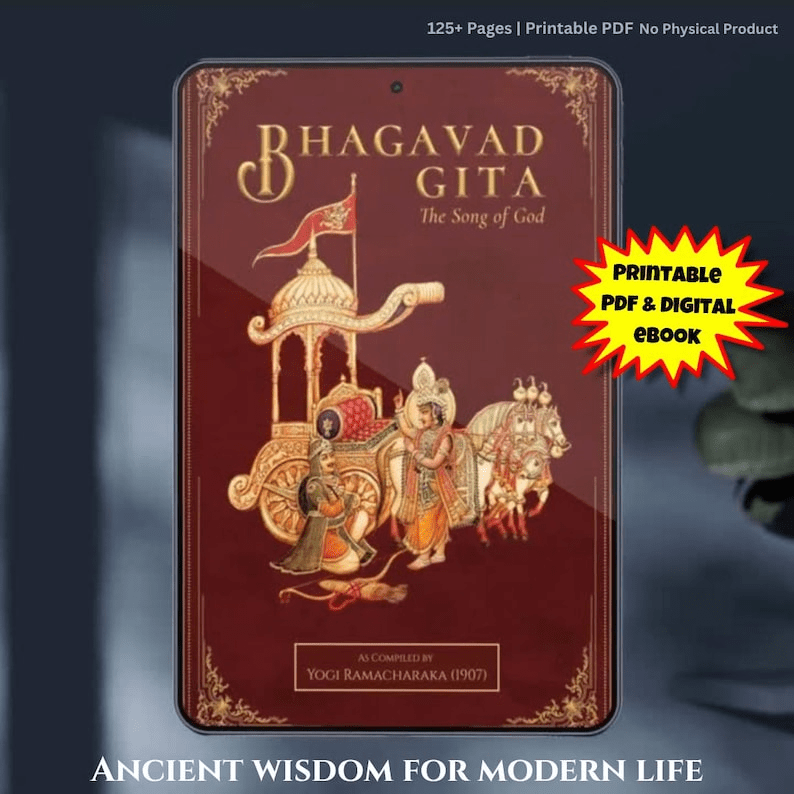
The Bhagavad Gita (Hinduism)
The Bhagavad Gita explores happiness through the lens of duty (dharma), selflessness, and detachment from outcomes.
“One who is not disturbed by happiness and distress… is certainly eligible for liberation.” (Chapter 2)
Here, happiness is not about chasing pleasure but cultivating balance and inner steadiness. Acting without attachment leads to a deeper, more enduring peace.
The Dhammapada (Buddhism)
The Dhammapada teaches that happiness arises from the mind and can be cultivated through awareness and ethical living.
“Happiness never decreases by being shared.” (Verse 177, paraphrased)
It emphasizes that suffering comes from desire and attachment. Letting go of craving and practicing compassion leads to genuine happiness, often described as inner freedom.
The Torah (Judaism)
In the Torah, happiness is tied to living in accordance with God’s commandments and encouraging justice and community.
“I have set before you life and death, blessing and curse. Therefore choose life…” (Deuteronomy 30:19)
Joy is found not just individually but collectively: in ethical living, gratitude, and commitment to a moral path.
The Guru Granth Sahib (Sikhism)
The Guru Granth Sahib emphasizes remembering God, living honestly, and serving others as the path to happiness.
“Those who remember the Name find peace and happiness.” (paraphrased teaching)
Happiness comes from dissolving the ego and living in harmony with divine truth, expressed through humility and service (seva).
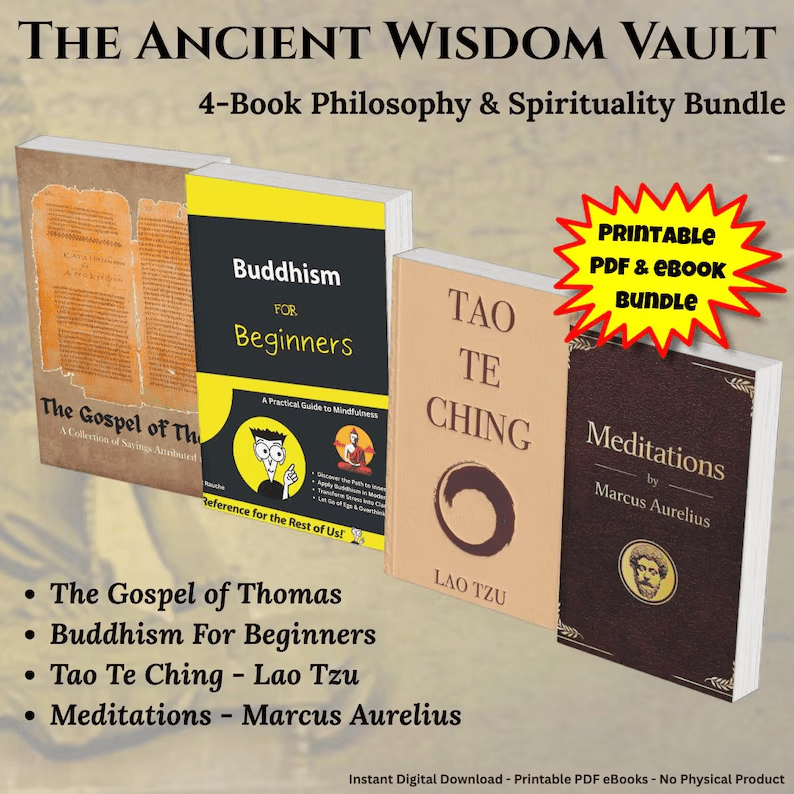
The Tao Te Ching (Taoism)
The Tao Te Ching presents a quieter, more philosophical view: happiness arises from living in harmony with the Tao, the natural way of the universe.
“He who knows that enough is enough will always have enough.”
Rather than striving or forcing outcomes, it encourages simplicity, balance, and acceptance. Happiness is found in flow, not control.

Final Thoughts
Across these diverse traditions, a few themes emerge again and again:
- Happiness is not purely external, it’s rooted in inner life.
- It often involves letting go: of ego, attachment, or excessive desire.
- It’s closely tied to ethics, compassion, and connection.
And perhaps most importantly, it’s seen as something deeper than pleasure. It’s a lasting state of peace, purpose, or alignment.
While the language and beliefs differ, the message is surprisingly consistent: happiness isn’t something we chase, but something we cultivate.
In other words, happiness isn’t something we find by chasing things like money, success, or pleasure. Instead, it’s something we build or develop over time, through our mindset, actions, and way of living (like being kind, grateful, and at peace).
So “cultivate” here simply means “grow and develop,” just like you would a plant. I like this way of thinking about happiness.
Tell me what you think below, and thanks for reading!
Exploring Happiness Across Major Religions
Free PDF – Positive Affirmations Motivational Guidebook
Please visit and follow Happy Hub’s Instagram page.
Check out the Happy Hub YouTube Channel.
Check out the Happy Hub Etsy Shop.
 Happy Hub