“Narcissist” and “sociopath” are words we hear pretty often these days, usually after someone has behaved badly in a relationship, at work, or in the family. But the reality is a little more complicated than simply labelling someone as a bad person.
There are genuine psychological conditions behind some of these behaviours, and personality is shaped by a mixture of genetics, development, environment and experience. That doesn’t excuse harmful behaviour, but it does make the subject a lot more interesting.
So, what actually makes someone develop these traits, and what can we do when we find ourselves dealing with them?
Narcissists, Sociopaths & Us
What Do “Narcissist” and “Sociopath” Mean?
First, what do we actually mean by “narcissist” and “sociopath”?
Here’s where things get a bit confusing.
Lots of people can be selfish, attention-seeking or manipulative from time to time without having a personality disorder. Narcissistic Personality Disorder (NPD), however, is a much more persistent pattern involving things like grandiosity, a strong need for admiration and difficulties with empathy.
“Sociopath” isn’t actually a formal clinical diagnosis. It’s generally used to describe someone with significant antisocial traits, while the clinical diagnosis is Antisocial Personality Disorder (ASPD). That can involve a long-term pattern of disregarding other people’s rights, rules and social responsibilities.
But, perhaps the first rule is: don’t diagnose your annoying ex-girlfriend just based off a checklist you saw on YouTube. (Sorry did I say that part out loud?)
How Does Someone Become This Way?
Apparently, there often isn’t one simple answer.
Research suggests that genetics play a significant role in antisocial behaviour, but genes clearly aren’t the whole story. Environment, childhood experiences, relationships and other developmental factors can all play a part.
There are also interesting evolutionary theories. Some researchers have suggested that traits such as dominance, risk-taking, manipulation or extreme self-interest could sometimes have provided advantages in particular environments.
Remember, evolution isn’t necessarily selecting for “nice” behaviour. It’s selecting for traits that, under certain circumstances, help an individual survive, compete or reproduce.
That doesn’t mean evolution created narcissists and sociopaths on purpose. It just raises an interesting question: could some traits that become harmful when taken to extremes have once been useful in moderation?
What Patterns Should We Look Out For?
Rather than trying to spot a “narcissist” by their appearance or personality type, let’s pay attention to repeated behaviour.
Does someone constantly need admiration? Do they have an exaggerated sense of entitlement? Do they regularly manipulate people, lie, exploit others or refuse to take responsibility? Do they seem charming when they want something but completely different when they don’t?
One bad day doesn’t make a personality disorder. A pattern is much more meaningful.
And someone can be confident, selfish, difficult or even occasionally manipulative without having NPD or ASPD.
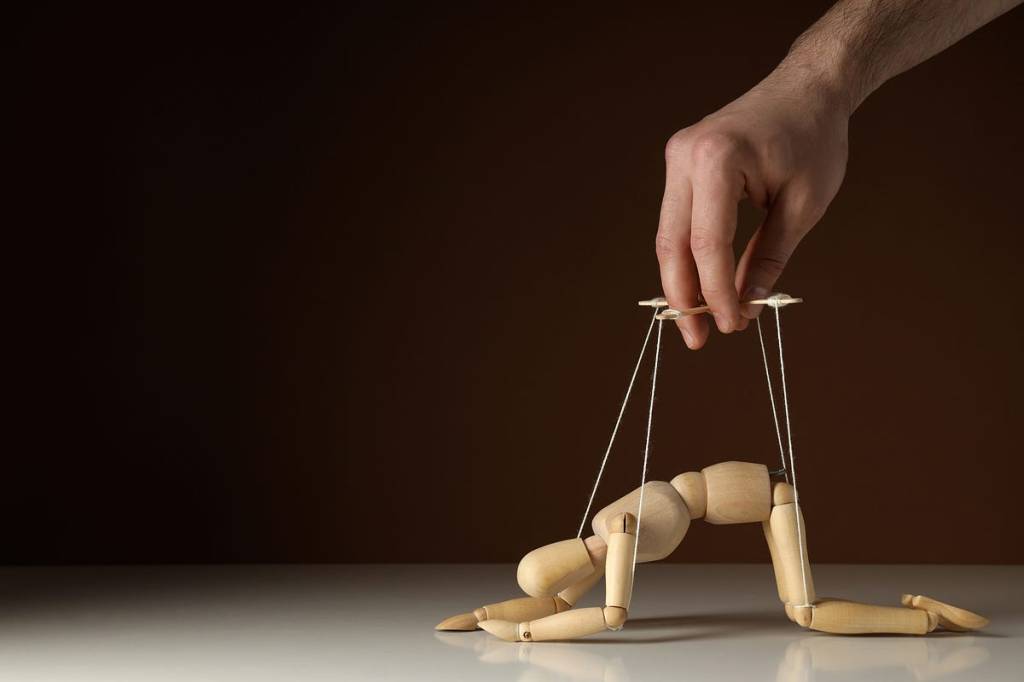
Are Narcissists and Sociopaths Dangerous?
Sometimes, yes. But it’s important not to assume that everyone with these traits is violent or dangerous.
Research does find an increased risk of violence among people diagnosed with personality disorders, with particularly elevated risk associated with antisocial personality disorder. But that doesn’t mean a diagnosis tells us what one particular person will do.
For everyday life, we should worry less about the label and more about the behaviour. If someone repeatedly threatens you, controls you, stalks you, exploits you or becomes violent, that’s a serious problem regardless of what diagnosis they might have.
So How Do You Deal With Someone Like This?
Boundaries are probably our best friend here.
Don’t get pulled into endless arguments about whether their version of reality is “right.” Be clear about what you will and won’t accept, keep important information private when necessary, and pay attention to actions rather than promises.
And if the relationship is genuinely harmful, creating distance may be healthier than trying to become the world’s greatest amateur psychologist.
You don’t need a diagnosis to decide that someone’s behaviour isn’t good for you.
Can They Change?
Maybe “healed” isn’t quite the right word, but having these traits doesn’t necessarily mean someone is destined to behave the same way forever.
Narcissistic personality disorder can be treated with psychotherapy, while antisocial personality disorder tends to be more challenging to treat. That doesn’t mean change is impossible, though. With time, support and a genuine willingness to change, some people can make meaningful progress.
What About the People They Hurt?
It’s easy to focus on understanding the person with narcissistic or antisocial traits, but there’s another side to the story: the people who have to live with their behaviour.
Being repeatedly manipulated, criticized, lied to, controlled or made to question your own judgement can take a real toll. Over time, someone may start doubting themselves, walking on eggshells or wondering if they’re somehow the problem.
The good news is that people can recover from these experiences too. Getting some distance from the situation, reconnecting with supportive friends or family and talking to a qualified therapist can help rebuild confidence and trust in one’s own judgement.

Final Thoughts
Aside from my little joke, thankfully I have minimal life experience dealing with diagnosed narcissists or sociopaths.
But I do have a tiny bit of experience dealing with manipulative people with low empathy! LOL.
The fascinating thing about narcissism and antisocial behaviour is that they’re probably not as simple as “bad people are bad.”
Human personality is complicated, and biology, upbringing, environment and evolution all seem to have a part in the story.
Understanding that can help us become less judgemental, and that’s the angle I was thinking of with this post. But that doesn’t mean we should be less careful.
We can have compassion for how someone became the way they are while still having very firm boundaries about how they are allowed to treat us.
Sometimes understanding someone doesn’t mean letting them into your life. It just means understanding them from a safe distance.
What do you think?
Please share your thoughts below if you wish, and thanks for reading!
Please visit and follow Happy Hub’s Instagram page.
Check out the Happy Hub YouTube Channel.
Check out the Happy Hub Etsy Shop.