The various foods we eat contain all the nutrients our bodies need for optimal energy and good health.
Digestion is the process of breaking down our chewed food and drink into substances for absorption into the bloodstream.
During digestion the body breaks larger food compounds down into smaller parts, enablng them to enter our cells, providing energy and other benefits.
Let’s learn more about digestion.
Learning About Digestion
What Are The Basics Of Digestion?
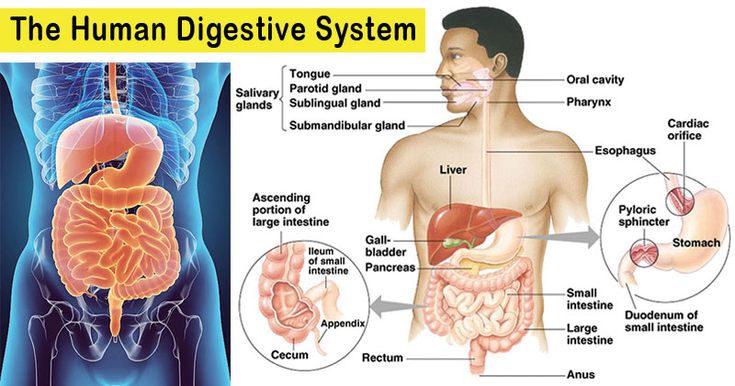
When we eat, food travels from the mouth down the esophagus to the stomach.
It then moves through the small and large intestines, and eventually as one could guess, out through the anus as waste.
The liver, pancreas, and gallbladder also play a role in the digestive system. These organs all produce chemicals that allow digestion to occur.
What Are The Major Parts Of The Digestive System?
- Mouth and esophagus. The mouth takes in food, breaks it into smaller pieces, and moistens it with saliva.
- Stomach. The food churns in our stomach and mixes with stomach acid.
- Small intestine.
- Large intestine (colon).
- Rectum.
- Liver, pancreas, and gallbladder.
How Long Does It Take For Food To Digest After Eating?
Digestion times vary among individuals and between men and women.
After we eat, it takes about six to eight hours for food to pass through our stomach and small intestine.
Food then enters our large intestine (colon) for further digestion, absorption of water and, finally, the elimination of undigested food.
How To Improve Gut Health?
Start by eating gut-cleansing foods.
Eating the right food is a must in gut cleansing. Examples include eating broccoli, cauliflower, dark leafy greens, ginger, oatmeal, some teas, fruit, and bone broth.
Some fermented foods like sauerkraut, kimchi, buttermilk, plain yogurt and kombucha are good for the gut, and can be added to your meals as well.
They’re rich in probiotics and lactobacilli bacteria that help keep harmful gut bacteria at bay in the intestines.
These will naturally kill bad bacteria in the gut.
What Meals Are Easy On The Stomach?
As far as foods that are easy to take in, one recommendation is to follow the BRAT diet. BRAT stands for bananas, rice, applesauce and toast.
These foods are lower in fibre, easily digestible and gentle on the stomach.
Which Types Of Food Are Easy To Digest?
- Cooked vegetables.
- Meat products and protein.
- Toast
- White rice and brown rice.
- Bananas.
- Applesauce.
- Eggs.
- Watermelon.
- Avocado.
- Cantaloupe.
- Honeydew melon.
- Cooked fruits. (Ideally without skin or seeds.)

Is Eating Too Fast Unhealthy?
Leisurely eating and enjoying our food is better for our health, especially when it comes to digestion, weight and nutrition.
When we eat too fast, we swallow more air, which can cause bloating and gas.
Taking the time to eat slowly while paying attention to how full we’re getting is one way to prevent common digestive problems.
What Are The Symptoms Of Not Digesting Food Properly?
- Acid reflux.
- Vomiting.
- Nausea.
- Abdominal bloating.
- Abdominal pain.
- A feeling of fullness after eating just a few bites.
- Vomiting undigested food eaten a few hours earlier.
- Changes in blood sugar levels.
What Helps Digest Food After Eating?
- Eat enough fibre to prevent constipation.
- Drink plenty of fluids to aid digestion.
- Cut down on fat for a healthy gut.
- Go easy on spice to avoid tummy issues.
- Beware of gut symptom triggers.
- Choose the right drinks to ease digestion.
What Food Takes The Longest To Digest?
Greasy or fatty foods such as high-fat foods take longer to digest.
Much of the absorption of nutrients happens in the small intestine, and this step takes more time after a fatty meal.
Meat and higher-protein foods take less time to digest than fatty foods, but more time to digest than carbohydrates.
Slow digesting vegetables include peas, carrots, eggplant, cauliflower, broccoli, onions, lettuce, tomatoes, green beans, and red peppers.
Grain choices that have slower digestion include oat bran, rolled oats, brown rice, and wheat tortillas.
What Should I Eat At Night For Digestion?
Try including protein-rich food like green leafy vegetables, or curry leaves in your meal at night.
This can keep your digestive system healthy.
What Foods To Avoid Before Bed?
- Alcohol.
- Dried fruit.
- Energy drinks.
- Fatty foods.
- Onions.
- Chips.
- Chocolate.
- Sugary foods.
- Acidic foods.
- Caffeine.
- Spicy meals and condiments.
What Can I Drink To Sleep Better?
Chamomile and valerian are popular teas that people drink before bed, but some other substances may also help.
These can include almond milk and cherry juice. Some drinks contain tryptophan or melatonin, which are known to improve sleep.
How Can I Speed Up My Digestion?
- Eat more fibre.
- Eat yogurt.
- Eat less meat.
- Drink more water.
- Exercise for 30 minutes a day, as food and digested material is moved through the body by a series of muscle contractions.
What Is The Fastest Way To Flush Your Colon?
- The easiest way to detoxify your colon is to drink more water.
- Diuretic foods and herbs can help the body expel waste and speed up detoxification.
- Detoxify through exercise.
- Take probiotics to improve gut health.
- Look into a colon cleanse.
Final Thoughts
While many people enjoy having a drink at night to relax, alcohol is known to have a negative effect on sleep.
Remember even healthy foods such as onions, tomatoes, garlic, citrus fruits, dark chocolate and peppermint can trigger acid reflux.
Thanks for reading, leave a comment or follow the links.
Sources and other reading:
The Importance Of Digestive Health
How Does My Gut Health Affect My Mental Health?
Please also visit our YouTube channel.
Please visit and follow our Instagram page.
If you enjoy the free content, please consider donating to help support the site.
 Happy Hub
Very informative and worthwhile information to have. Thanks for sharing.
LikeLiked by 1 person
You’re welcome, thanks a lot for the kind comment 🙂
LikeLiked by 1 person
Thanks for sharing, your point about eating slowly to aid digestion is a small yet impactful tip. In today’s fast-paced world, we often forget the importance of sitting down and truly enjoying our meals. This simple act can indeed make a huge difference in our digestive health.
LikeLiked by 1 person
😊
LikeLiked by 1 person
Yes it’s so true, I agree, thanks a lot 🙂
LikeLike